When to Worry: Dog Vomiting and Diarrhea Guide
Key Points:
- Occasional vomiting or diarrhea in dogs is common and often resolves without treatment
- Emergency warning signs include bloody vomit or stool, extreme lethargy, pale gums, bloated abdomen, and signs of pain
- Puppies, senior dogs, and dogs with chronic conditions need veterinary attention faster than healthy adult dogs
- Home care for mild cases includes fasting, bland diet, and monitoring for worsening symptoms
- Dehydration is the biggest concern with vomiting and diarrhea and can become life-threatening quickly
- Causes range from dietary indiscretion (eating something they shouldn't) to serious conditions like parvovirus or blockages
- When in doubt, call your vet rather than waiting to see if symptoms improve
Your dog just threw up on the carpet. Again. Or maybe you're dealing with diarrhea that's turning your backyard into a minefield. Now you're stuck wondering: is this normal "dog stuff" that'll pass on its own, or do you need to rush to the vet?
Here's the frustrating truth: sometimes dog vomiting and diarrhea mean absolutely nothing serious. Other times, they're red flags for conditions that need immediate attention. The trick is knowing which is which.
Let's break down when you can safely monitor at home, when you should call your vet, and when you need to drop everything and go to the emergency clinic right now.
Understanding Dog Vomiting: What's Normal vs. Concerning
First, let's get clear on what we're actually talking about because not all "throwing up" is the same thing.
Vomiting vs. Regurgitation
Vomiting involves active heaving and abdominal contractions. Your dog looks uncomfortable, you'll hear retching sounds, and what comes up is partially digested food mixed with fluid and bile (that yellow or green stuff). This is actual stomach contents being forcefully expelled.
Regurgitation is passive. Food comes back up with no effort, often looking almost exactly like it did when your dog ate it. This happens when food never makes it to the stomach properly, usually due to issues with the esophagus. Regurgitation has different causes than vomiting and needs veterinary evaluation.
Types of Dog Vomit and What They Mean
Yellow or green foam: Usually bile, common when a dog's stomach is empty. Occasional bile vomiting (especially in the morning) often isn't serious, but frequent bile vomiting needs investigation.
Undigested food: If your dog vomits shortly after eating and the food looks whole, they might be eating too fast or the food isn't agreeing with them.
White foam: Often indicates stomach irritation or acid buildup. One episode probably isn't concerning, but repeated white foam vomiting warrants a vet visit.
Brown, coffee-ground appearance: This suggests digested blood in the stomach. See a vet same day.
Bright red blood: Fresh blood in vomit is always concerning and needs immediate veterinary attention.
Foul-smelling, brown vomit: Could indicate a bowel obstruction or serious digestive issue. Get to a vet quickly.
Understanding Dog Diarrhea: Reading the Clues
Like vomiting, not all diarrhea is created equal. The characteristics give you clues about what's happening.
Small Intestine vs. Large Intestine Diarrhea
Small intestine diarrhea is large volume, watery, and happens a few times with urgency. It's often accompanied by vomiting and weight loss if chronic. This type usually indicates issues with nutrient absorption.
Large intestine diarrhea involves small, frequent amounts with straining. You'll often see mucus or fresh blood. Dogs feel like they need to go constantly but produce little. This suggests colon or rectal inflammation.
Diarrhea Color and Consistency Guide
Brown and watery: Most common type, often from dietary changes or mild stomach upset.
Yellow or greasy: Suggests food is moving through too fast or issues with fat digestion.
Black and tarry: Indicates digested blood from the upper GI tract. This needs veterinary attention.
Red streaks or fresh blood: Points to lower intestinal or colon issues. See a vet, especially if persistent.
Gray and greasy: Could indicate pancreatic problems or liver issues.
Orange diarrhea: Often means food is passing through too quickly, or could indicate liver or gallbladder issues.
Green diarrhea: Might mean your dog ate grass, consumed something with food coloring, or has a parasite. A giardia infection often causes green stool.
When Dog Vomiting Is an Emergency
Some situations require immediate veterinary care. Don't wait or try home treatment if you see:
Drop Everything and Go Right Now
Bloated, hard, or painful abdomen: Especially in large, deep-chested breeds. This could be bloat (gastric dilatation-volvulus), which is rapidly fatal without emergency surgery.
Vomiting with extreme lethargy or collapse: Your dog can't stand, seems disoriented, or is unresponsive.
Pale or white gums: Indicates shock or severe blood loss.
Repeated vomiting attempts with nothing coming up: Another sign of possible bloat.
Blood in vomit: Especially bright red blood or large amounts.
Known ingestion of toxins: Chocolate, xylitol, antifreeze, rat poison, medications, or toxic plants.
Suspected foreign object: If you know or suspect your dog ate something they shouldn't (toys, bones, fabric, etc.).
Vomiting plus seizures or neurological symptoms: Staggering, head tilt, or disorientation.
Puppies vomiting repeatedly: Puppies dehydrate extremely fast and can crash quickly.
Call Castle Hills Animal Hospital at (469) 962-2060 immediately or head to the nearest emergency veterinary clinic.
When Dog Diarrhea Is an Emergency
Similarly, some diarrhea situations can't wait:
Get to a Vet Immediately If You See
Large amounts of blood in stool: More than just streaks, or if stool is mostly blood.
Black, tarry stools: Indicates bleeding in the upper digestive tract.
Diarrhea with severe vomiting: The combination accelerates dehydration dangerously.
Extreme lethargy or weakness: Can't stand, won't respond normally, seems out of it.
Signs of severe pain: Crying, hunched posture, guarding abdomen, won't let you touch belly.
Pale gums: Especially with rapid heart rate.
Known toxin exposure: Anything poisonous, especially in the last 24-48 hours.
Puppies with diarrhea and vomiting: Parvovirus is common in unvaccinated puppies and is life-threatening. Proper vaccination prevents parvo.
Diarrhea lasting more than 24 hours in puppies: Young dogs deteriorate fast.
When to Call Your Vet Same Day (But Not Emergency)
These situations need veterinary attention within hours but might not require emergency services:
- Vomiting or diarrhea continuing for more than 24 hours
- Multiple episodes in a short time (3+ in a few hours)
- Signs of dehydration (see section below)
- Loss of appetite lasting more than 24 hours
- Your dog seems uncomfortable or in mild pain
- Diarrhea in senior dogs or dogs with chronic health conditions
- Streaks of blood in stool (small amounts)
- Coffee-ground appearance in vomit (small amount)
- Known dietary indiscretion (ate garbage, rich food, etc.) with persistent symptoms
Schedule an appointment or call us to discuss symptoms and get guidance on whether your dog should be seen immediately or if home care is appropriate.
When Home Care Is Probably Safe
If your otherwise healthy adult dog has one or two episodes of vomiting or diarrhea but is acting normal otherwise, home management is often fine. Safe scenarios for home care include:
- Single episode of vomiting or diarrhea with no other symptoms
- Your dog is still eating, drinking, and acting normally
- Normal energy level and behavior
- No blood in vomit or stool
- No known toxin ingestion
- Gums are pink and moist
- Symptoms are mild and not worsening
Even in these cases, monitor closely for 24-48 hours. If symptoms continue or worsen, contact us.
Recognizing Dehydration in Dogs
Dehydration is the most dangerous complication of vomiting and diarrhea. Dogs lose fluids fast, and severe dehydration can cause organ damage or death.
How to Check for Dehydration at Home
Skin tent test: Gently pinch the skin at the back of your dog's neck and release. It should snap back immediately. If it stays "tented" or returns slowly, your dog is dehydrated.
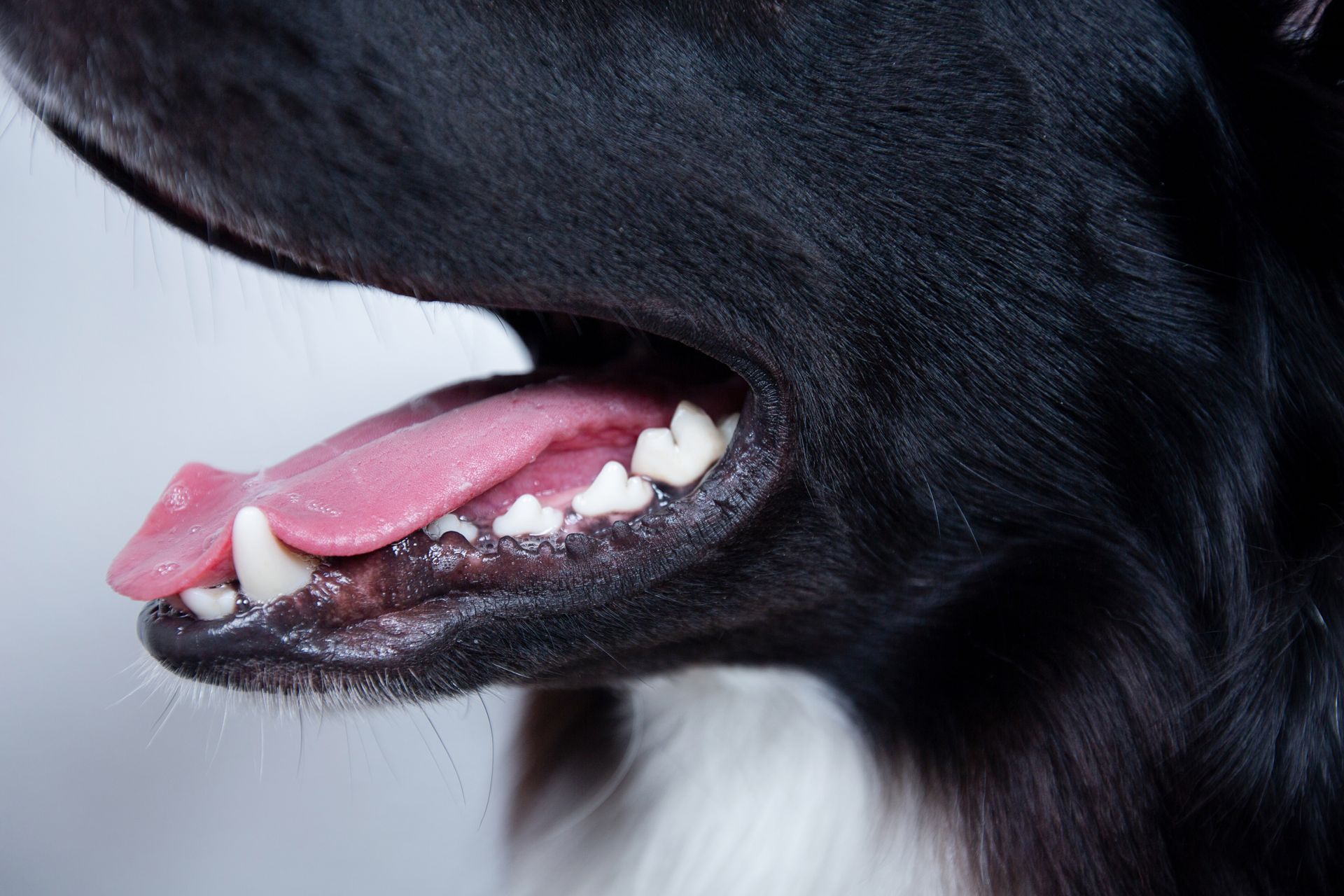
Gum check: Lift your dog's lip and press your finger against their gums. When you release, the area should turn from white back to pink within 1-2 seconds. Slow return means poor circulation from dehydration.
Eye appearance: Sunken eyes indicate dehydration.
Dry nose and gums: While a dry nose alone isn't diagnostic, combined with dry, tacky gums, it suggests dehydration.
Lethargy: Dehydrated dogs lack energy and seem weak.
If you see signs of dehydration, contact us right away. Severe cases need IV fluids, which requires veterinary care.
Common Causes of Vomiting and Diarrhea in Dogs
Understanding what causes these symptoms helps you prevent future episodes and know what to watch for.
Dietary Indiscretion (The Most Common Culprit)
Dogs eat things they shouldn't. Garbage, spoiled food, rich human food, dead animals, poop (yes, really), and random stuff they find outside. This is called "garbage gut" or dietary indiscretion, and it's the number one cause of acute vomiting and diarrhea.
Most cases resolve within 24-48 hours with basic supportive care. Prevention involves managing what your dog has access to and training a solid "leave it" command.
Food Allergies or Intolerances
Some dogs react to specific proteins or ingredients in their food. This usually causes chronic intermittent symptoms rather than one-time episodes. Switching foods without transition can also upset sensitive stomachs.
Intestinal Parasites
Worms (roundworms, hookworms, whipworms, tapeworms) and protozoal parasites (giardia, coccidia) commonly cause diarrhea, especially in puppies. Parasite prevention and regular fecal testing catch these before they cause problems.
Infections
Parvovirus: Life-threatening viral infection in puppies causing severe bloody diarrhea and vomiting. Prevented by proper vaccination.
Bacterial infections: Salmonella, E. coli, Campylobacter, and Clostridium can all cause GI upset.
Viral gastroenteritis: Various viruses cause stomach flu-like symptoms in dogs.
Toxins and Poisons
Chocolate, xylitol (in sugar-free products), grapes, raisins, onions, garlic, certain plants, medications, antifreeze, and rat poison all cause vomiting and diarrhea along with other serious symptoms.
Foreign Objects and Blockages
Dogs swallow things whole: toys, socks, bones, corn cobs, rocks. These can cause partial or complete intestinal obstruction, which is life-threatening. Surgery is often needed to remove blockages.
Chronic Conditions
Inflammatory bowel disease, pancreatitis, liver disease, kidney disease, cancer, and other chronic conditions cause recurring vomiting or diarrhea. These need proper diagnosis and ongoing management.
Stress and Anxiety
Major changes, boarding, travel, new family members, or moving can trigger stress-induced GI upset in sensitive dogs.
Home Care for Mild Cases
If your dog has mild symptoms and you're monitoring at home with vet approval, here's how to support recovery:
The Fasting Period
For vomiting, withhold food for 12-24 hours (but not water unless your dog vomits immediately after drinking). This gives the stomach time to settle. Puppies under 6 months shouldn't fast more than 6-8 hours due to low blood sugar risk.
For diarrhea alone without vomiting, fasting isn't always necessary, but a bland diet helps.
Hydration Is Critical
Offer small amounts of water frequently. If your dog gulps water and vomits, offer ice cubes to lick instead. Unflavored Pedialyte diluted 50/50 with water can help replace electrolytes, but check with us first.
If your dog refuses water or can't keep it down, they need veterinary care for IV fluids.
The Bland Diet
After the fasting period, introduce a bland diet in small, frequent meals:
Option 1: Boiled chicken (no skin or bones) with white rice, 1:2 ratio (one part chicken to two parts rice).
Option 2: Boiled lean ground beef (drain all fat) with white rice or plain mashed potato.
Option 3: Boiled turkey with rice.
Feed small amounts every few hours rather than large meals. If they keep this down for 24-48 hours, gradually transition back to regular food over 3-5 days by mixing increasing amounts of regular food with the bland diet.
Probiotics and Supplements
Plain, unflavored yogurt with live cultures or dog-specific probiotics can help restore healthy gut bacteria. Pumpkin puree (plain, not pie filling) adds fiber and can help firm up stool. Always check with us before giving supplements.
What NOT to Do
Don't give human anti-diarrheal medications like Imodium or Pepto-Bismol without veterinary guidance. These can be dangerous or mask serious symptoms. Don't give any medications without asking us first.
What Happens at the Vet Visit
When you bring your dog in for vomiting or diarrhea, here's what to expect:
Physical Examination
Dr. Joy will check vital signs, hydration status, abdominal palpation for pain or masses, listen to gut sounds, check gum color and capillary refill time, and assess overall condition.
Diagnostic Tests
Depending on symptoms and findings, we might recommend:
- Fecal test: Checks for parasites, bacteria, and blood
- Blood work: Evaluates organ function, electrolytes, and looks for infection or inflammation
- X-rays: Identifies foreign objects, blockages, or abnormal gas patterns
- Ultrasound: Provides detailed images of abdominal organs
- Parvovirus test: For puppies with bloody diarrhea
Treatment Options
Treatment depends on the diagnosis but might include:
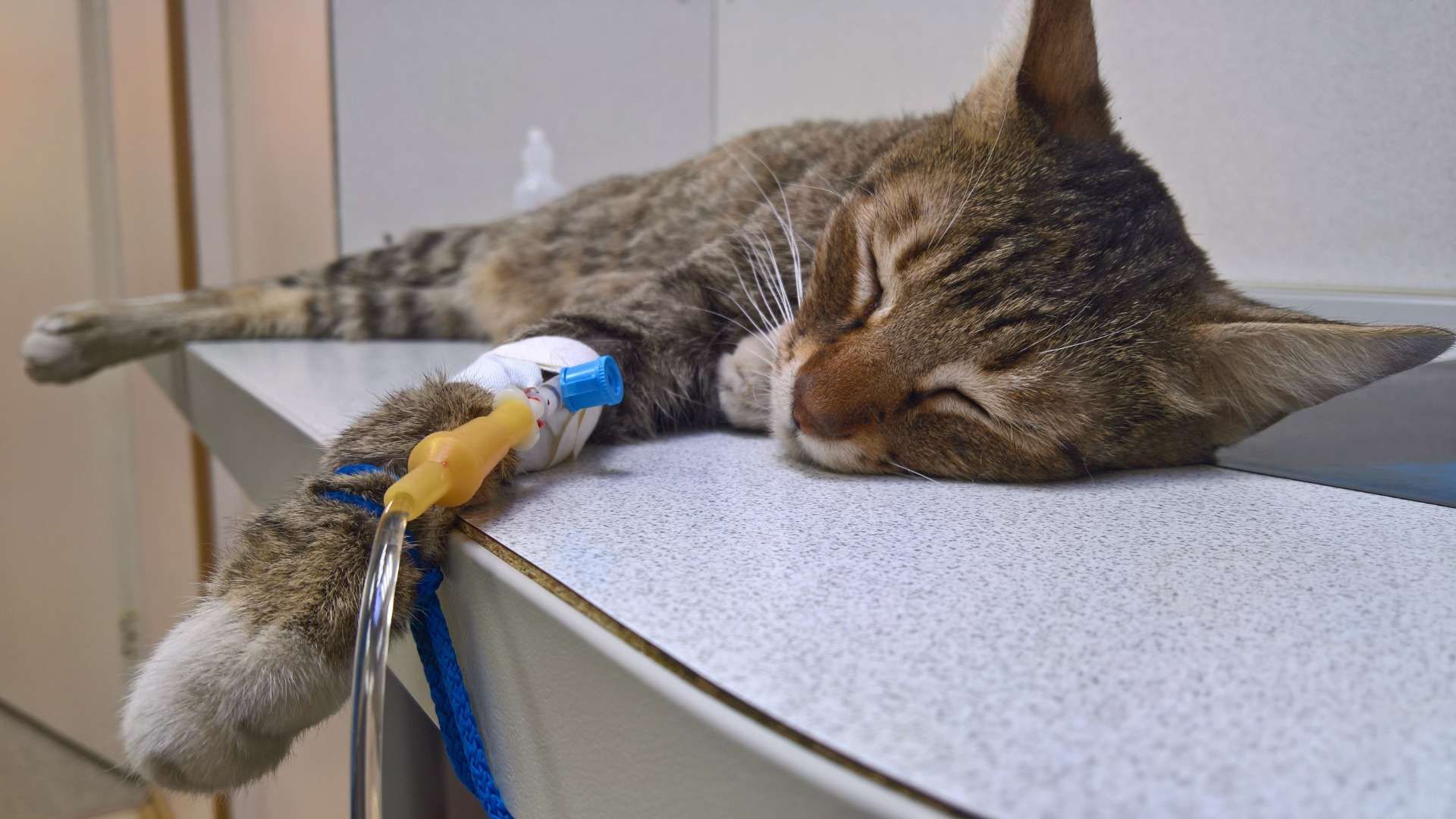
- IV fluids: For dehydration
- Anti-nausea medication: Stops vomiting and makes your dog more comfortable
- Antibiotics: If bacterial infection is present
- Deworming medication: For parasites
- Antacids or GI protectants: Soothe stomach lining
- Prescription diet: Easily digestible food for sensitive stomachs
- Surgery: For foreign body removal or other surgical conditions
Most cases respond well to treatment, especially when caught early.
Prevention: Keeping Your Dog's Gut Happy
While you can't prevent every episode, these strategies reduce the likelihood:
Consistent diet: Stick with quality dog food appropriate for your dog's age and size. Avoid frequent diet changes.
Slow transitions: When changing food, mix old and new gradually over 7-10 days.
Limit table scraps: Rich, fatty human food commonly triggers upset stomachs.
Prevent scavenging: Use a secure trash can, supervise outdoor time, and train "leave it."
Regular preventative care: Routine exams, parasite prevention, and vaccinations prevent many causes of GI upset.
Stress management: Maintain routines during changes and consider calming aids for anxious dogs.
Proper hydration: Always provide fresh, clean water.
Dental care: Dental disease and swallowed bacteria from infected teeth can cause stomach problems.
Special Considerations for Puppies and Senior Dogs
Puppies
Puppies are vulnerable. Their immune systems are immature, they dehydrate incredibly fast, and they're prone to parvovirus and parasites. Any vomiting or diarrhea in puppies, especially those not fully vaccinated, deserves immediate veterinary attention. Don't wait to see if it improves.
Senior Dogs
Older dogs often have underlying conditions that complicate vomiting and diarrhea. They're also more prone to serious causes like cancer, organ disease, or medication side effects. Geriatric dogs need prompt evaluation when GI symptoms appear.
Frequently Asked Questions About Dog Vomiting and Diarrhea
How long is too long for dog diarrhea?
For adult dogs, diarrhea lasting more than 24-48 hours needs veterinary evaluation. For puppies or senior dogs, call within 12-24 hours. Even if your dog seems fine otherwise, persistent diarrhea causes dehydration and indicates an underlying problem that needs diagnosis.
Can I give my dog Pepto-Bismol or Imodium?
Never give these without talking to your vet first. Pepto-Bismol contains salicylates (aspirin-like compounds) that can be toxic to dogs, and the bismuth can interfere with X-ray interpretation if imaging is needed. Imodium can be dangerous in certain breeds (especially Collies and related breeds) and can worsen conditions like infections or blockages by slowing motility when the body is trying to expel something harmful.
Why does my dog keep eating grass and throwing up?
Dogs eat grass for various reasons including stomach upset, boredom, or just because they like it. Some dogs vomit after eating grass, while others don't. Occasional grass eating isn't concerning, but if your dog frantically eats grass and vomits frequently, something else is likely causing stomach discomfort and needs investigation.
Should I still give medications if my dog is vomiting?
This depends on the medication. For critical medications (like seizure medication or heart medication), try giving with a small amount of bland food. If your dog vomits it back up, call us immediately for guidance. For less critical medications, it might be okay to wait until vomiting stops. Always contact us about specific medications rather than guessing.
Is it normal for dogs to vomit bile in the morning?
Some dogs occasionally vomit yellow bile in the morning due to an empty stomach overnight (called bilious vomiting syndrome). If it happens rarely and your dog is otherwise healthy, feeding a small bedtime snack often solves it. However, if it's frequent or accompanied by other symptoms, it needs evaluation for conditions like inflammatory bowel disease or reflux.
What's the difference between acute and chronic vomiting or diarrhea?
Acute means sudden onset and short duration (days to a couple weeks). These cases are often from dietary indiscretion, infections, or toxins. Chronic means recurring or persistent symptoms over weeks to months, indicating underlying conditions like inflammatory bowel disease, food allergies, or organ disease. Chronic cases need thorough diagnostic workup.
Can dog vomiting or diarrhea spread to other pets or humans?
Some causes are contagious to other dogs (parvovirus, certain parasites, bacterial infections). A few, like Salmonella, Campylobacter, and certain parasites, can spread to humans, especially children, elderly, or immunocompromised people. Practice good hygiene, wash hands after handling affected dogs or cleaning up, and isolate sick dogs from other pets until diagnosed.
How much does it cost to treat dog vomiting and diarrhea?
Costs vary enormously depending on the cause and severity. A basic exam and supportive care for mild cases might run $150-300. Cases requiring extensive diagnostics, hospitalization, IV fluids, or surgery can cost $500-3,000+. Early veterinary intervention often costs significantly less than waiting until a condition becomes critical.
Frequently Asked Questions About Castle Hills Animal Hospital
What should I bring when I bring my vomiting or diarrhea dog to Castle Hills Animal Hospital?
Bring a fresh stool sample if possible (within 12 hours, refrigerated), any medications your dog takes, a list of everything your dog might have eaten (including table scraps, treats, or known garbage consumption), and any recent health history. If your dog vomited, note the timing, frequency, and appearance.
Do you see emergency cases for vomiting and diarrhea?
Yes, call us at (469) 962-2060 immediately if your dog has emergency symptoms. We'll assess the situation and get your dog seen as quickly as possible. For after-hours true emergencies, we'll direct you to the nearest emergency veterinary clinic and coordinate care.
Can I call to ask if my dog needs to be seen?
Absolutely! We'd much rather you call with questions than wait and worry. Describe your dog's symptoms, and we'll help you determine if you should come in immediately, schedule an appointment soon, or safely monitor at home. Never hesitate to reach out.
How quickly can you see my dog with GI symptoms?
For urgent cases, we prioritize same-day appointments. Call us as early as possible in the day for the best availability. New clients with sick pets are accommodated whenever possible.
Where is Castle Hills Animal Hospital located?
We're located at 3964 TX-121 #100, Lewisville, TX 75056, serving dogs and cats throughout Lewisville and the surrounding communities. You can schedule an appointment online or call us directly.
Trust Your Instincts About Your Dog's Health
You know your dog better than anyone. If something feels wrong, even if you can't articulate exactly what, trust that feeling. Most dog owners who say "something just seems off" are right.
Vomiting and diarrhea range from minor annoyances to life-threatening emergencies. The key is knowing which is which and acting appropriately. When in doubt, err on the side of caution. A quick phone call or vet visit provides peace of mind and catches problems before they become crises.
At Castle Hills Animal Hospital in Lewisville, TX, we're here to help you navigate these worrying moments. Whether you need emergency care, same-day sick visit, or just guidance on home management, we've got your back.
If your dog is experiencing vomiting or diarrhea and you're unsure what to do, call us at (469) 962-2060 or schedule an appointment online. We'll help you determine the best course of action and get your pup feeling better as quickly as possible.
Because every dog deserves to feel their best, and every owner deserves to stop worrying.
Castle Hills Animal Hospital provides comprehensive veterinary care for dogs experiencing vomiting, diarrhea, and other health concerns in Lewisville, Texas. Our experienced team is here when your pet needs us most.
Disclaimer: The information provided on this blog is for general informational purposes only and is not intended as, and should not be considered, medical advice. All information, content, and material available on this blog are for general informational purposes only. Readers are advised to consult with a qualified healthcare professional for medical advice, diagnosis, or treatment. The author and the blog disclaim any liability for the decisions you make based on the information provided. Always seek the advice of your physician or other qualified health provider with any questions you may have regarding a medical condition.