Subtle Signs Your Pet Is in Pain (That Owners Often Miss)
Key Points
- Pets instinctively hide pain, making detection challenging for even the most attentive owners
- Dogs show pain through changes in activity level, sleeping patterns, eating habits, posture, and behavior
- Cats display pain through grooming changes, litter box avoidance, decreased playfulness, facial expressions, and hiding
- Subtle behavioral shifts like reduced enthusiasm, slight limping, or personality changes often signal discomfort
- Immediate veterinary attention is needed for severe symptoms like inability to walk, labored breathing, or extreme lethargy
- Never give human pain medication to pets without veterinary guidance
- Regular wellness exams help catch painful conditions before they become serious
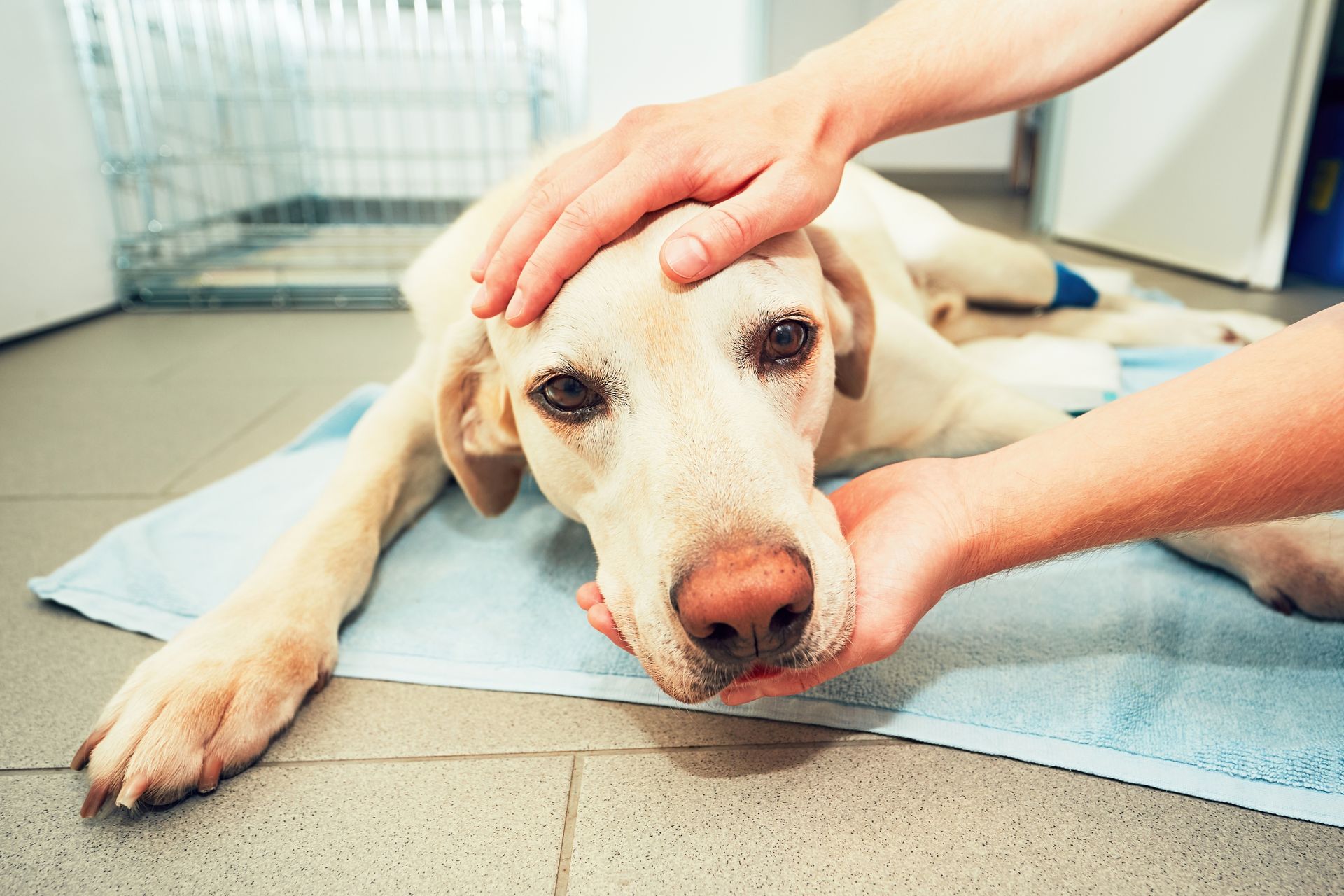
As pet parents, we'd like to think we'd immediately know if our dogs or cats were hurting. The reality? Our furry family members are surprisingly talented at keeping their discomfort under wraps. It's a survival instinct left over from their wild ancestors, where showing weakness could mean becoming someone's dinner.
This makes figuring out how to tell if a cat is in pain or recognizing signs your dog is in pain one of the trickiest parts of pet ownership. Unlike us humans who can say "my knee is killing me," our pets communicate through subtle behavior changes that are easy to miss until things get serious.
Let's break down what you need to watch for and when to take your pet to the vet for pain.
Why Your Pet Becomes a Pain-Hiding Expert
In the wild, limping around or whimpering advertises vulnerability. Predators notice. Competitors take advantage. So your couch potato cat or perpetually happy dog carries genes that tell them to tough it out, even when they're really uncomfortable.
Here's the thing: this instinct doesn't care that your pet lives in air-conditioned comfort with a dedicated food bowl. They'll still mask discomfort until it becomes too overwhelming to hide. This is exactly why regular preventative care catches so many issues that owners never suspected.
Animals also process pain differently than we do. What would have us calling in sick to work might only cause your pet to slow down slightly. They're not being stoic heroes; their brains just work differently. That's why becoming a detective about tiny behavioral changes matters so much.
Signs Your Dog Is in Pain (The Ones You Might Miss)
They're Not As Excited About the Fun Stuff
Your dog might still go for walks, but something's... off. Maybe they don't sprint to the door when you grab the leash. Perhaps they skip their usual zoomies in the backyard or hesitate before jumping onto the bed.
This reluctance is huge. A dog dealing with joint pain or muscle soreness will often still do activities but with way less enthusiasm. They're not suddenly lazy; they're managing discomfort. Watch for that pause before stairs, the slower trot on walks, or the way they carefully lower themselves onto their dog bed instead of plopping down.
Sleep Becomes Weird
Dogs in pain often sleep more, but it's not always obvious. They might crash during times they'd normally be following you around or seem less interested in getting up when you come home from work.
Flip side? Some painful pups sleep less because they can't get comfortable. You'll see them shifting positions constantly, getting up and down repeatedly, or suddenly preferring the hard kitchen floor over their plush bed (sometimes they're trying to relieve joint pressure).
Pay attention to where they sleep too. A dog avoiding their favorite spot might associate it with discomfort.
Food Gets Complicated
Dental pain, tummy troubles, or general achiness can mess with appetite. Some dogs eat less or super slowly. Others approach their bowl with excitement but walk away after a few bites.
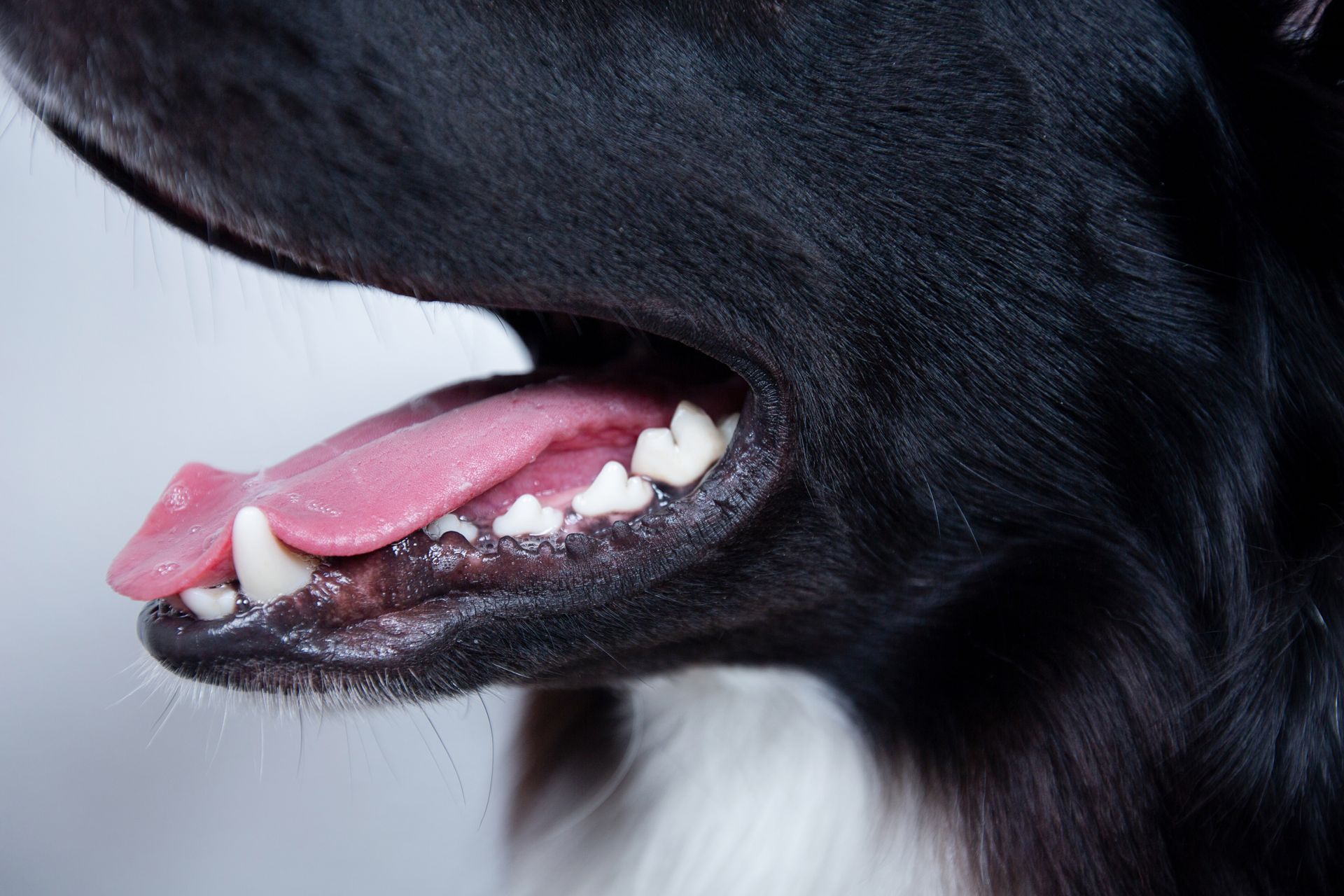
Watch for dogs who seem interested in food but struggle to chew, or suddenly prefer soft treats over crunchy kibble. Dental disease is one of the most common sources of hidden pain in pets, yet many owners don't realize their pet's teeth are causing discomfort.
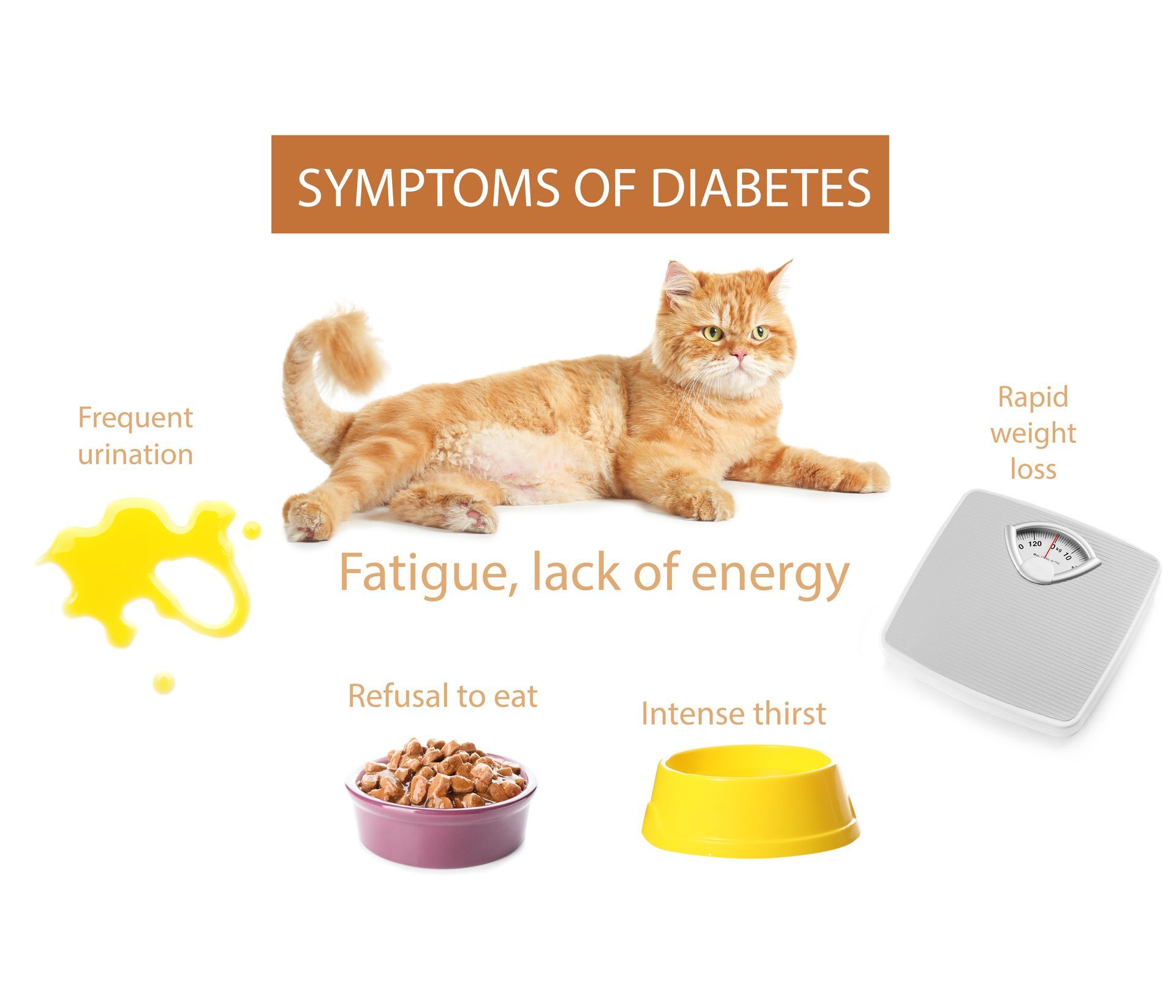
Changes in water consumption count too. Guzzling way more water than normal can point to kidney issues, diabetes, or other painful conditions. If your normally food-motivated pup turns picky, don't assume they're being dramatic.
Their Body Language Tells Stories
A dog with back pain might stand hunched or keep their head low. Abdominal pain often creates a "praying" position with their front end down and rear up. Limping is obvious, but subtle lameness (like favoring one leg slightly or taking shorter steps) sneaks past most owners.
The morning shuffle is super telling. Arthritis and similar conditions show up strongest after rest, so watch how your dog moves right after waking up.
Personality Shifts Happen
Pain can turn your social butterfly into a hermit. Your usually friendly dog might suddenly avoid petting, move away when you approach, or seek out quiet corners. Others go the opposite direction and become velcro dogs, following you everywhere as if seeking comfort.
Here's a big red flag: aggression or grumpiness that's not normal for your dog. Growling when picked up, flinching when their back gets touched, or resisting during grooming sessions they usually tolerate? They're telling you something hurts.
Never brush off personality changes as "just getting older" without checking with your vet.
How to Tell If a Cat Is in Pain (Master Level Difficulty)
Cats make dogs look like open books when it comes to showing discomfort. Their independent, mysterious nature means you need to channel your inner Sherlock Holmes for subtle clues.
Grooming Goes Haywire
Cats over-groom painful spots. You might notice bald patches, red skin, or constant licking of joints, paws, or belly. They're trying to soothe whatever hurts.
The opposite also happens. Cats in pain often stop grooming, resulting in a dull, matted coat or unkempt fur, especially on their back and hindquarters (hard-to-reach areas that require flexibility). A cat who abandons their fastidious grooming routine is waving a flag that something's wrong.
Litter Box Drama
Before assuming behavioral problems, consider pain. Arthritis might make climbing into a high-sided box brutal. Urinary tract infections, constipation, or digestive issues make elimination painful, so cats start associating the box with hurt and avoid it.
Watch how they use the box. Straining, crying, or camping out in there without results all scream "call the vet now."
Activity Drops (Sneakily)
Your cat might not suddenly become immobile. Instead, they stop jumping to their favorite window perch or avoid activities requiring effort. That playful hunter ignoring toys they once loved? Possibly in pain.
Notice climbing changes too. A cat who suddenly uses the couch as a stepping stone to reach the counter, rather than jumping directly, might have sore joints. Dr. Joy and our veterinary team can assess mobility issues during exams.
Their Face Changes
Cats have pain faces. Trained observers (like veterinary professionals) spot them, but owners can learn too. Ears might flatten or point outward instead of forward. Whiskers get tense, pointing forward or pressed against the face. Eyes might squint or look glazed. The whole expression can appear worried or tense.
Vocal Patterns Shift
Some cats meow or cry more when hurting. Others go completely silent when they're normally chatty. Both matter. Pay attention to any changes in normal vocal patterns, including unusual growling, hissing, or sounds when moving or being touched.
The Disappearing Act
Increased hiding is one of the most common signs of feline pain. Closets, under beds, behind furniture—anywhere quiet and isolated becomes home base. Cats might also withdraw socially, avoiding family members or other pets when they previously sought interaction.
A cat who suddenly wants nothing to do with anyone deserves a vet visit.
When to Take Your Pet to the Vet for Pain
Recognizing signs your dog is in pain or figuring out how to tell if a cat is in pain only helps if you actually do something about it. But when does a behavior change warrant professional attention?
Drop Everything and Go (Emergency Situations)
Some situations need immediate care. Contact Castle Hills Animal Hospital at (469) 962-2060 right away or seek emergency veterinary services if your pet shows:
- Crying, whimpering, or obvious pain vocalizations
- Can't stand, walk, or put weight on a limb
- Labored breathing or rapid, shallow breaths
- Visible trauma or injury
- Swollen or distended belly
- Straining to pee or poop without success
- Collapse or can't get up
- Pale or white gums
- Extreme lethargy or non-responsiveness
Call Your Vet Within a Day or Two
Other signs need attention but aren't immediately life-threatening. Schedule an appointment soon if you notice:
- Subtle limping or favoring one leg
- Decreased appetite lasting over 24 hours
- Litter box changes or elimination issues
- Hiding or withdrawal behavior
- Doesn't want to be touched in certain spots
- Sleep pattern changes or can't get comfortable
- Reduced activity over several days
- Behavioral shifts like aggression or unusual clinginess
Trust your gut. You know your pet better than anyone. If something feels off, even if you can't pinpoint exactly what, reach out to us.
What Happens During a Pain Assessment at Castle Hills Animal Hospital
When you bring your pet to our Lewisville clinic with pain concerns, we take a thorough approach. We'll ask detailed questions about changes you've noticed, including when they started, whether they're worsening, and any patterns.
The physical exam includes gentle palpation to find tender areas, checking range of motion in joints, watching how they move and walk, and evaluating vital signs and overall condition. We might recommend diagnostics like advanced digital X-rays or blood work to identify what's causing the pain.
Our goal isn't just masking symptoms. We want to find and treat the root cause whenever possible. Treatment plans are customized to your pet's specific needs and might include medication, physical therapy, dietary adjustments, or surgical intervention depending on diagnosis.
Common Causes of Hidden Pain in Pets
Understanding what commonly causes pain in dogs and cats can help you connect the dots when you notice behavioral changes.
Dental Disease
This is the silent epidemic in pets. By age three, most dogs and cats have some degree of dental disease. Broken teeth, gum infections, and tooth root abscesses cause significant pain, yet pets continue eating (remember that survival instinct?). Regular dental care prevents these painful conditions from developing.
Arthritis and Joint Problems
Joint pain affects pets of all ages, not just seniors. Large breed dogs are prone to hip and elbow dysplasia. Cats get arthritis too, though they hide it better. That cat who stopped jumping to the counter? Probably has sore joints, not decreased interest in counter surfing.
Infections and Inflammation
Ear infections, urinary tract infections, skin infections, and internal inflammation all cause pain. These conditions often develop gradually, so the behavioral changes are subtle and progressive rather than sudden and obvious.
Injuries
Not all injuries are obvious. Soft tissue strains, minor fractures, and internal injuries might not show external signs. A dog who yelps once when jumping off the couch might have pulled something, even if they seem fine afterward.
The Importance of Preventative Care in Pain Detection
Here's something many pet owners don't realize: most painful conditions are easier to treat when caught early. That's where preventative care becomes your secret weapon.
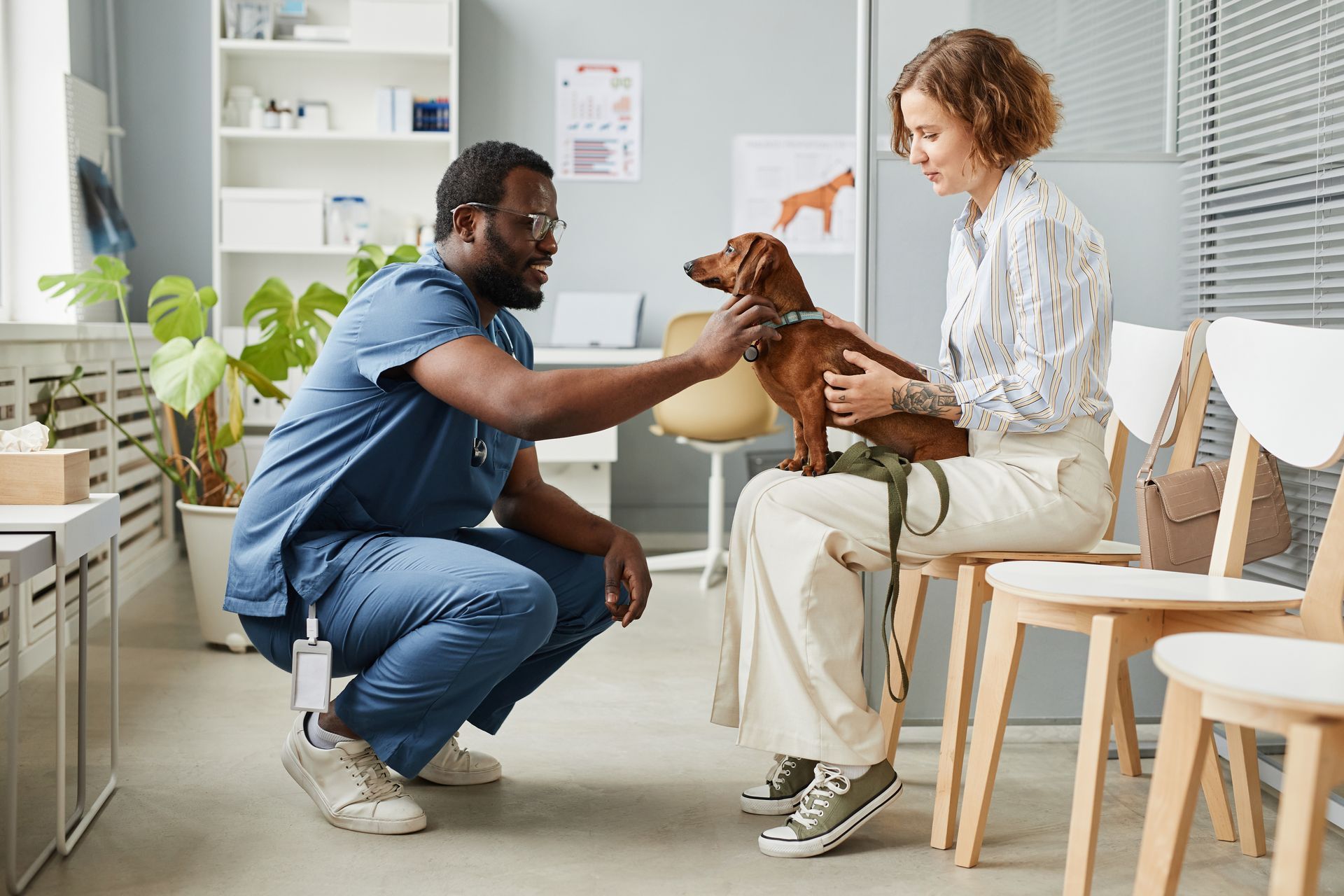
During routine wellness exams, we're checking things you can't see at home. We feel for abnormalities, listen to heart and lung sounds, examine teeth and gums, assess joint function, and evaluate overall body condition. We often detect early signs of conditions before they cause obvious discomfort.
Think of it like maintaining your car. You don't wait until your engine seizes to get an oil change. Similarly, you shouldn't wait until your pet is obviously suffering to bring them in for a checkup.
New clients are often surprised by what we find during that first comprehensive exam, even in pets who seem perfectly healthy at home.
Protecting Your Pet's Long-Term Comfort
Beyond recognizing pain, prevention matters enormously. Several services we offer help keep your pet comfortable throughout their life:
Proper Vaccinations: Vaccinations prevent diseases that cause significant pain and suffering, like parvovirus in dogs or feline leukemia in cats.
Parasite Prevention: Parasite prevention protects against heartworm disease, Lyme disease, and other painful conditions transmitted by fleas, ticks, and mosquitoes.
Spaying and Neutering: Spay and neuter procedures prevent painful reproductive cancers and infections that can develop later in life.
Microchipping: While microchipping doesn't prevent pain directly, it ensures lost pets can be reunited with their families quickly, reducing the stress and potential injury from being lost.
Frequently Asked Questions About Signs Your Pet Is in Pain
How can I tell the difference between normal aging and pain in my senior pet?
While older pets naturally slow down, significant behavioral changes shouldn't be dismissed as "just getting old." Arthritis, dental disease, and other painful conditions are common in senior pets but aren't inevitable suffering that must be endured. If your older dog or cat shows decreased activity, movement reluctance, or personality changes, these deserve evaluation and potential treatment. Age isn't a disease.
Can I give my pet human pain medication like ibuprofen or Tylenol?
Absolutely not without veterinary guidance. Common over-the-counter medications like ibuprofen, acetaminophen (Tylenol), and aspirin can be extremely toxic to pets, even in small doses. What helps your headache could cause kidney failure, liver damage, or death in your pet. Always consult with us before administering any medication. We'll prescribe safe, effective pain relief appropriate for your pet's specific condition.
What are the most commonly missed signs of pain in pets?
The sneakiest signs include subtle interaction changes (slightly less enthusiastic greetings, minor withdrawal from family activities), small routine modifications (choosing different sleeping spots, brief hesitation before jumping), minor eating habit shifts (eating slightly slower, leaving small food amounts), and gradual personality changes owners adjust to without recognizing as symptoms (accepting a grumpier older dog as normal when it actually indicates discomfort).
How quickly can pain develop in pets?
Pain develops gradually over weeks or months with chronic conditions like arthritis or dental disease, or suddenly with acute injuries, infections, or other health crises. Some conditions cause intermittent pain that comes and goes, making detection even trickier. This is why regular checkups help catch developing problems before they cause significant discomfort.
Is panting always a sign of pain in dogs?
Not always, but context matters. Panting is a normal cooling mechanism and happens with stress, excitement, or heat. But panting at rest in a cool environment, especially with other behavioral changes, is concerning. Excessive or unusual panting patterns always warrant evaluation. If your dog pants heavily while lying calmly on your air-conditioned floor, something's up.
Do indoor-only cats still hide pain?
Yes! The instinct to mask pain doesn't disappear just because your cat never encounters predators. Indoor cats hide discomfort just as effectively as outdoor cats. Sometimes even more so, since they often have less environmental stimulation to distract them from pain, making subtle behavior changes harder to spot.
Can pets have good days and bad days with pain?
Absolutely. Chronic pain conditions often fluctuate. Your pet might seem mostly normal one day and clearly uncomfortable the next. This doesn't mean you imagined the problem or that it's not serious. Intermittent symptoms still deserve veterinary attention, and tracking patterns helps us diagnose the issue.
Should I wait to see if my pet's symptoms improve on their own?
For mild changes, observing for 24 hours is reasonable. But if symptoms worsen, persist beyond a day or two, or your gut tells you something's seriously wrong, don't wait. Early intervention almost always leads to better outcomes and often costs less than treating advanced conditions.
Frequently Asked Questions About Castle Hills Animal Hospital
Where is Castle Hills Animal Hospital located?
We're located at 3964 TX-121 #100, Lewisville, TX 75056. Our clinic serves pets throughout Lewisville and surrounding communities in the Dallas-Fort Worth area.
How do I schedule an appointment at Castle Hills Animal Hospital?
You can call us directly at (469) 962-2060 or book an appointment online through our website. We offer flexible scheduling to accommodate your needs, including urgent care appointments for pets showing signs of pain or discomfort.
What services does Castle Hills Animal Hospital offer?
We provide comprehensive veterinary care including preventative care, vaccinations, dental care, surgical procedures, pain management, advanced digital X-rays, and treatment for acute and chronic conditions. Our experienced team handles everything from routine checkups to complex medical cases.
Does Castle Hills Animal Hospital treat both dogs and cats?
Yes! We provide complete veterinary care for both dogs and cats. Our team has extensive experience recognizing and treating pain in both species, understanding the unique ways each communicates discomfort.
What should I bring to my pet's appointment?
Bring any relevant medical records if you're a new client, a list of current medications or supplements, information about your pet's diet, and notes about the specific changes or concerns you've observed. The more details you can provide about your pet's behavior, the better we can assess their condition.
Who will be treating my pet at Castle Hills Animal Hospital?
Dr. Joy leads our veterinary team with extensive experience in diagnosing and treating pain in pets. Our entire staff is dedicated to providing compassionate, thorough care for every patient who comes through our doors.
Taking Action for Your Pet's Comfort in Lewisville
Your pet counts on you to notice when something's wrong. By paying attention to subtle behavioral changes and acting promptly, you ensure your furry family member gets care before minor discomfort becomes serious suffering.
The signs your dog is in pain or clues about how to tell if a cat is in pain aren't always dramatic. Sometimes it's just a slight hesitation, a small personality shift, or a minor routine change. But these whispers matter. They're your pet's way of communicating in the only language they have.
At Castle Hills Animal Hospital in Lewisville, TX, we partner with you in keeping your pet comfortable and healthy. Our team knows exactly what to look for during exams and has the diagnostic tools to uncover hidden sources of pain.
If you've noticed any changes in your pet's behavior or suspect they might be experiencing discomfort, don't wait for things to worsen.
Call us at (469) 962-2060 or schedule an appointment online today. We'll conduct a thorough evaluation and work with you to develop a treatment plan addressing your pet's unique needs. Your pet's comfort and quality of life matter to us as much as they matter to you.
Because every pet deserves to feel their best, not just survive the day.
Disclaimer: The information provided on this blog is for general informational purposes only and is not intended as, and should not be considered, medical advice. All information, content, and material available on this blog are for general informational purposes only. Readers are advised to consult with a qualified healthcare professional for medical advice, diagnosis, or treatment. The author and the blog disclaim any liability for the decisions you make based on the information provided. Always seek the advice of your physician or other qualified health provider with any questions you may have regarding a medical condition.