How Often Should You Really Be Taking Your Pet to the Vet?
If your pet seems happy, active, and healthy, it’s easy to wonder if regular vet visits are really necessary. Many pet owners assume appointments are only needed when something is clearly wrong. In reality, routine veterinary care plays a much bigger role in keeping pets healthy long term.
So how often should your pet actually be going to the vet? The answer depends on their age, lifestyle, and overall health.
Why Routine Vet Visits Matter
Pets are very good at hiding pain and illness. By the time symptoms are obvious, a condition may already be advanced. Regular exams help catch issues early, when they are easier and often less expensive to treat.
Routine visits also allow your veterinarian to:
- Track changes in weight, behavior, and mobility
- Monitor chronic conditions
- Update vaccines and parasite prevention
- Answer questions before small concerns turn into bigger problems
Think of these appointments as preventive care, not just problem solving.
Puppies and Kittens: More Frequent Visits Early On
Young pets need to see the vet more often during their first year of life.
Most puppies and kittens visit the vet every 3 to 4 weeks until their vaccine series is complete, usually around 16 weeks of age. These visits are important for:
- Core vaccinations
- Parasite screening and prevention
- Growth and development checks
- Nutrition and behavior guidance
Early visits also help your pet get comfortable with the clinic environment, which can reduce anxiety later in life.
Adult Pets: At Least Once a Year
For healthy adult dogs and cats, an annual wellness exam is generally recommended.
During a yearly visit, your veterinarian will:
- Perform a full physical exam
- Review diet, weight, and lifestyle
- Update vaccines as needed
- Discuss flea, tick, and heartworm prevention
- Recommend routine screening tests if appropriate
Even if your pet seems perfectly fine, this yearly check helps establish a baseline for what “normal” looks like for them.
Senior Pets: Twice a Year Is Often Best
As pets age, changes can happen more quickly. Many veterinarians recommend senior pets be seen every six months.
Senior visits often focus on:
- Arthritis and mobility changes
- Dental disease
- Organ function
- Subtle behavior or appetite changes
- Bloodwork to catch issues early
Seeing older pets more frequently allows problems to be addressed before they significantly affect quality of life.
Pets With Medical Conditions May Need More Visits
If your pet has a chronic condition such as diabetes, kidney disease, allergies, or heart issues, your veterinarian may recommend more frequent check-ins.
These visits help ensure:
- Medications are working properly
- Dosages are still appropriate
- Symptoms are well managed
- Adjustments are made before complications arise
When to Schedule a Visit Outside of Routine Care
Even with regular checkups, you should contact your vet if you notice:
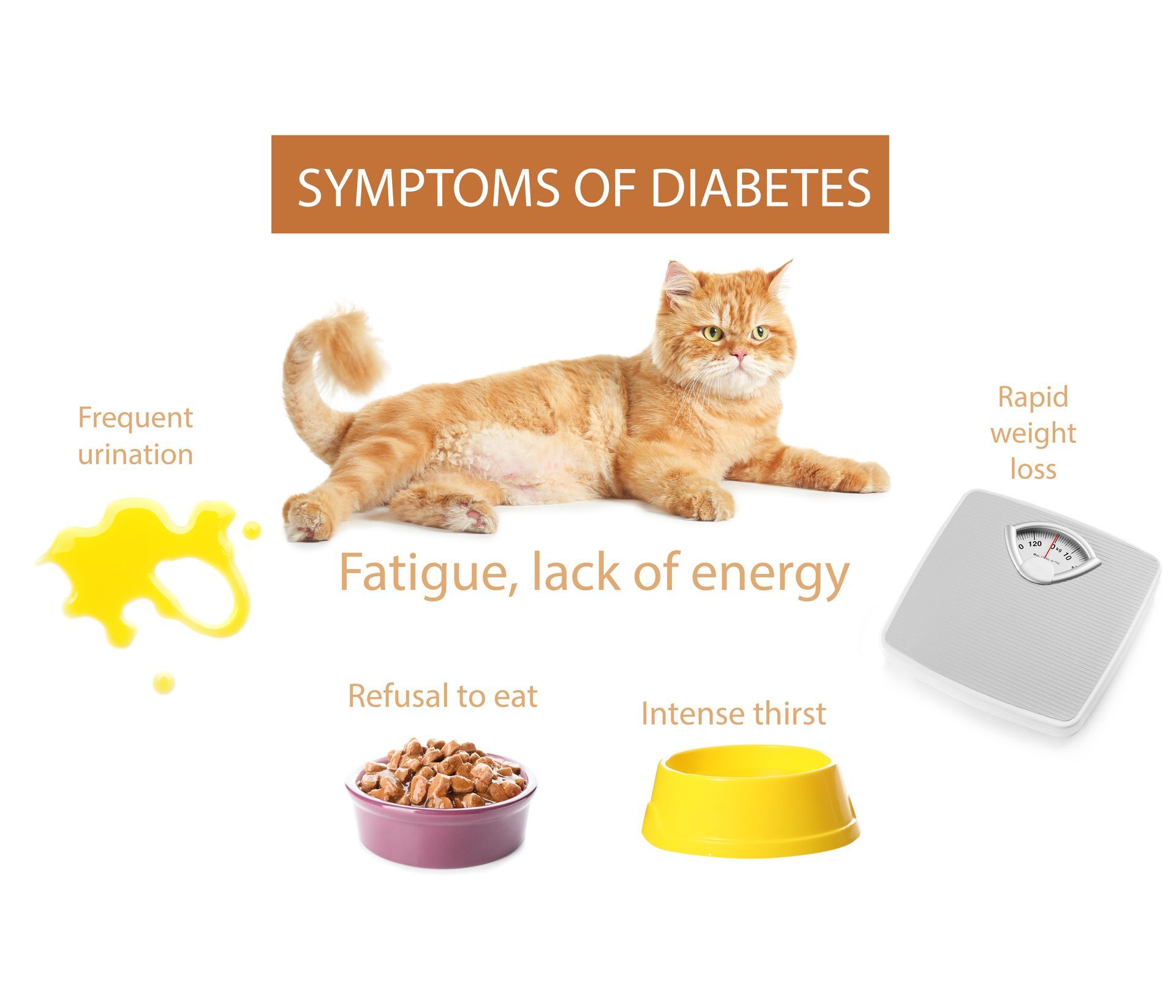
- Changes in appetite or drinking
- Weight loss or gain
- Vomiting or diarrhea lasting more than a day
- Lethargy or behavior changes
- Limping or difficulty moving
- Lumps, bumps, or skin changes
If something feels off, it’s always okay to call and ask.
Booking an Appointment
If your pet is due for a wellness exam or you have a concern you’d like checked out, appointments can be scheduled online for convenience.
You can request or book an appointment through the Castle Hills Animal Hospital Pet Portal here:
https://petportal.vet/castle-hills-animal-hospital
If you prefer, the team is also happy to help by phone and answer any questions about timing or next steps.
The Bottom Line
Most pets benefit from:
- Multiple visits in their first year
- Annual exams during adulthood
- Twice-yearly visits as seniors
Regular veterinary care isn’t about overdoing it. It’s about staying ahead of potential problems and helping your pet live a longer, healthier life.
If you’re unsure how often your pet should be seen, your veterinarian can help create a schedule that fits your pet’s specific needs.
Disclaimer: The information provided on this blog is for general informational purposes only and is not intended as, and should not be considered, medical advice. All information, content, and material available on this blog are for general informational purposes only. Readers are advised to consult with a qualified healthcare professional for medical advice, diagnosis, or treatment. The author and the blog disclaim any liability for the decisions you make based on the information provided. Always seek the advice of your physician or other qualified health provider with any questions you may have regarding a medical condition.