Why Does My Dog's Breath Smell So Bad?
Key Points:
- Bad dog breath is NOT normal and usually indicates an underlying health problem
- Dental disease is the number one cause of bad breath in dogs, affecting 80% of dogs by age three
- Different smells provide clues: fruity breath suggests diabetes, urine-like breath indicates kidney disease
- Untreated dental disease causes pain, tooth loss, and can damage the heart, liver, and kidneys
- Puppies should have relatively neutral breath; persistent bad breath in young dogs needs evaluation
- Professional dental cleaning under anesthesia is often necessary to treat existing dental disease
- Daily teeth brushing and dental chews help prevent bad breath and serious health problems
- Regular veterinary checkups catch dental disease early before it becomes painful and expensive
You lean in for puppy kisses and get hit with breath that could knock out a grown adult. Or maybe you've been living with your dog's stinky breath for so long you've just accepted it as normal dog stuff. Here's what you need to know: bad dog breath is not normal, it's not just "dog breath," and it's almost always telling you something about your dog's health.
That smell coming from your dog's mouth is usually a warning sign, most commonly of dental disease that's causing pain and potentially damaging internal organs. The good news? It's treatable and often preventable.
Let's talk about what causes bad breath in dogs, when you should worry, and what you can actually do about it.
The Truth About "Normal" Dog Breath
Here's a myth we need to bust right away: dog breath doesn't have to smell terrible. A healthy dog's breath might not smell like roses, but it shouldn't make you recoil either. It should be relatively neutral, maybe slightly meaty from their food, but definitely not offensive.
If your dog's breath consistently smells foul, something is wrong. Period. This isn't about being picky or expecting unrealistic freshness. We're talking about breath that smells rotten, fishy, metallic, sweet, or like actual garbage.
Think of bad breath as your dog's check engine light. The smell itself isn't the problem but rather a symptom pointing to an underlying issue that needs attention.
Dental Disease: The Number One Cause of Bad Dog Breath
Let's cut to the chase. About 80% of the time, if your dog has bad breath, dental disease is the culprit. By age three, roughly 80% of dogs have some degree of periodontal disease. That's not a typo. Four out of five dogs.
How Dental Disease Develops
It starts innocently enough. Bacteria in your dog's mouth mix with food particles and saliva to form plaque, that sticky film you can sometimes feel on teeth. Within 24-48 hours, if not removed, plaque hardens into tartar (also called calculus), which you can see as yellow or brown buildup on teeth, especially near the gum line.
Here's where it gets nasty. Tartar provides a rough surface where more bacteria attach and multiply. These bacteria don't just sit there looking ugly. They produce toxins that irritate and inflame gums, causing gingivitis (red, swollen, bleeding gums). As inflammation progresses, it destroys the tissues and bone supporting teeth, creating pockets where more bacteria thrive.
This is periodontal disease, and it causes serious problems beyond bad breath.
What Dental Disease Actually Does
Pain: Imagine having infected, inflamed gums and loose teeth while trying to eat kibble. Dental disease hurts. Dogs just hide it really well because of that survival instinct we talked about in our guide to recognizing pain in pets.
Tooth loss: Advanced periodontal disease destroys the structures holding teeth in place. Teeth become loose and eventually fall out.
Jaw damage: Severe infections can actually damage jaw bones, especially in small breed dogs.
Systemic disease: Here's the scary part. Bacteria from infected mouths enter the bloodstream every time your dog chews, potentially causing damage to the heart, liver, and kidneys. Studies show dogs with severe periodontal disease have higher rates of heart and kidney disease.
Abscesses: Tooth root infections can form abscesses that rupture through the skin, creating draining tracts on the face. It's as terrible as it sounds.
All of this produces that horrific smell you're experiencing. The odor comes from bacteria, decaying tissue, and infection. It's literally the smell of rot happening in your dog's mouth.
Other Causes of Bad Breath in Dogs
While dental disease tops the list, other conditions cause distinctive bad breath too.
Diabetes
The smell: Sweet, fruity, or like nail polish remover.
Why it happens: When dogs can't properly use glucose for energy, their bodies break down fat instead, producing ketones that create this characteristic sweet smell.
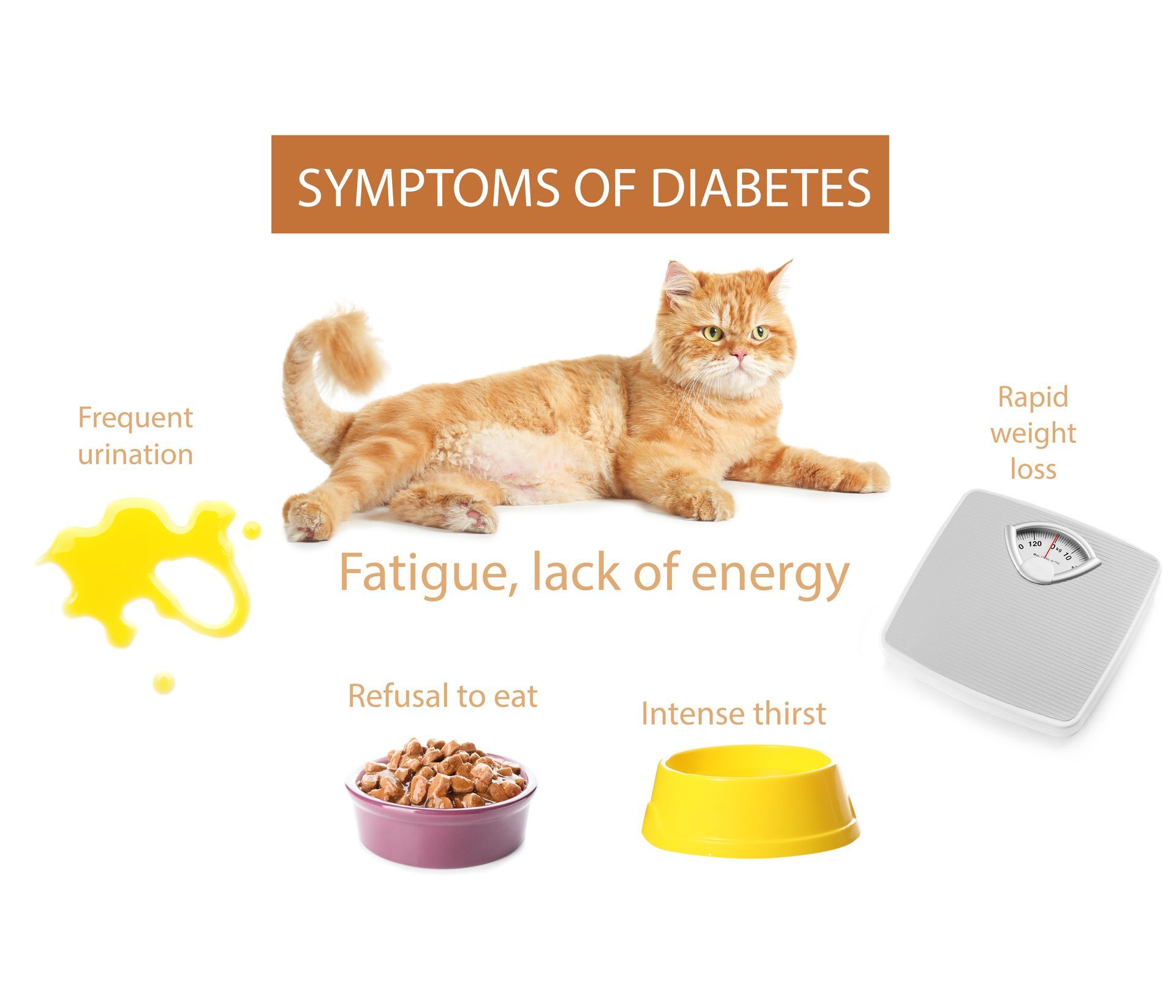
Other signs: Excessive thirst, frequent urination, increased appetite with weight loss, lethargy.
If you notice this fruity smell, especially with other symptoms, your dog needs immediate evaluation. Learn more about diabetes in dogs and cats in our comprehensive guide.
Kidney Disease
The smell: Ammonia-like or urine breath.
Why it happens: Failing kidneys can't properly filter waste from the blood. Urea builds up and gets released through the lungs, creating breath that literally smells like pee.
Other signs: Increased thirst and urination, decreased appetite, weight loss, vomiting, lethargy.
Kidney disease is serious and requires prompt veterinary care and ongoing management.
Liver Disease
The smell: Musty, foul, sometimes described as "dead" smelling.
Why it happens: The liver processes toxins. When it's not functioning properly, toxins build up and can create distinctive bad breath.
Other signs: Yellowing of gums or eyes (jaundice), vomiting, diarrhea, increased thirst, behavioral changes, seizures in advanced cases.
Gastrointestinal Issues
The smell: Particularly foul, sometimes accompanied by belching or gas.
Why it happens: Problems anywhere in the digestive tract, from the esophagus to the intestines, can cause bad breath. This includes acid reflux, foreign objects, inflammatory bowel disease, or tumors.
Other signs: Vomiting, diarrhea, decreased appetite, weight loss, excessive drooling.
Oral Tumors
The smell: Rotting or metallic, sometimes bloody.
Why it happens: Tumors in the mouth can become infected, ulcerated, or bleed, all of which smell terrible.
Other signs: Visible mass in the mouth, difficulty eating, drooling, facial swelling, loose teeth.
Oral tumors need immediate veterinary attention. Early detection improves treatment outcomes significantly.
Respiratory Infections
The smell: Infected, sometimes with discharge.
Why it happens: Sinus infections, nasal infections, or lung infections can all contribute to bad breath.
Other signs: Nasal discharge, sneezing, coughing, difficulty breathing, fever.
Something Stuck in Teeth or Mouth
The smell: Rotting food or foreign material.
Why it happens: Sticks, bones, fabric, or food can get wedged between teeth, under the tongue, or stuck in the roof of the mouth and start decomposing.
Other signs: Pawing at mouth, difficulty eating, drooling, visible discomfort.
Bad Breath in Puppies: When to Worry
Puppy breath is actually a thing, and it's usually kind of sweet and milky, not offensive. This changes when adult teeth come in (around 3-6 months), but even then, breath shouldn't smell terrible.
Red Flags in Puppy Breath
Persistent bad breath: If your puppy consistently has foul breath, it could indicate teething problems, something stuck in their mouth, or they're eating something they shouldn't (like poop, unfortunately common).
"Baby teeth" not falling out: Retained deciduous teeth create pockets where food and bacteria accumulate, causing infection and smell. These teeth often need to be removed, frequently during spay or neuter surgery.
Bloody or extremely smelly breath during teething: Some odor during teething is normal as teeth break through gums, but excessive smell or blood suggests problems.
Puppies should be seen regularly during their first year for vaccinations and wellness checks, during which we examine their mouths and monitor dental development.
Small Breeds and Dental Disease: Why They're at Higher Risk
If you have a Chihuahua, Yorkie, Maltese, Pomeranian, or any small or toy breed dog, pay extra attention. These breeds are significantly more prone to dental disease for several reasons:
Crowded teeth: Small mouths with the same number of teeth as larger dogs means teeth are packed tightly together, creating more areas for plaque and tartar to hide.
Genetic predisposition: Many small breeds are genetically prone to poor dental health.
Retained baby teeth: More common in toy breeds, creating infection-prone pockets.
Earlier onset: Small breed dogs often develop dental disease younger than large breeds.
If you own a small breed, assume dental care will be an ongoing priority, not an occasional concern.
How Dental Disease Is Diagnosed
When you bring your dog to Castle Hills Animal Hospital with concerns about bad breath, here's what happens:
Oral Examination
Dr. Joy will examine your dog's mouth, checking for tartar buildup, gum inflammation, loose teeth, visible masses or lesions, tooth fractures or discoloration, and overall oral health. We can see a lot during an awake exam, but we can't see everything.
The Limitations of Awake Exams
Here's something most pet owners don't realize: the worst dental disease often hides below the gum line where we can't see it during a regular exam. A tooth might look okay on the surface but have severe bone loss and infection underneath.
This is why comprehensive dental care requires anesthesia. It's not just about convenience. Under anesthesia, we can:
- Thoroughly examine every tooth, including the inside surfaces and below the gum line
- Take dental X-rays to assess roots and bone (absolutely critical for complete evaluation)
- Safely probe periodontal pockets to measure disease severity
- Perform proper cleaning and treatment without causing fear or pain
Dental X-Rays: The Game Changer
About 60% of tooth structure is below the gum line. Without X-rays, we're only seeing part of the picture. Advanced digital X-rays reveal abscesses, bone loss, root damage, and hidden problems that would otherwise go undetected.
X-rays often change the treatment plan significantly. A tooth that looks savable might have such severe root damage that extraction is necessary. Or a tooth we thought needed extraction might actually be fine.
Diagnostic Tests for Non-Dental Causes
If we suspect bad breath stems from something other than dental disease, diagnostic tests might include:
- Blood work to check kidney and liver function, blood sugar levels, and overall health
- Urinalysis for kidney function assessment
- Imaging for gastrointestinal or respiratory issues
Treatment: Professional Dental Cleaning
If dental disease is causing your dog's bad breath, professional cleaning under anesthesia is the solution. Here's what's involved:
Pre-Anesthetic Evaluation
Before any surgical procedure, we run pre-anesthetic blood work to ensure your dog is healthy enough for anesthesia. This checks organ function and identifies any hidden problems that might affect anesthetic safety.
For older dogs or those with health concerns, we might recommend additional testing like chest X-rays or EKG.
The Dental Cleaning Process
Anesthesia: Your dog is safely anesthetized and intubated (breathing tube placed) to protect airways from water and debris.
Full oral examination: We examine every tooth and the entire mouth thoroughly.
Dental X-rays: We take X-rays of all teeth to assess what's happening below the gum line.
Scaling: We remove all tartar and plaque from tooth surfaces, both above and below the gum line, using ultrasonic scalers and hand instruments.
Polishing: Scaling creates microscopic roughness on tooth surfaces. Polishing smooths them, making it harder for plaque to re-attach.
Fluoride treatment: Strengthens enamel and reduces sensitivity.
Extractions if needed: Diseased teeth that can't be saved are extracted. This sounds drastic, but removing painful, infected teeth dramatically improves quality of life.
Pain management: We provide appropriate pain medication because dental disease and extractions hurt.
Recovery
Most dogs go home the same day and recover quickly. They might be a bit groggy initially, but within 24-48 hours, most are eating normally and feeling much better. In fact, dogs who had painful dental disease often become more playful and energetic after treatment because they're no longer in constant discomfort.
Home Dental Care: Prevention and Maintenance
Professional cleanings treat existing disease, but prevention keeps your dog's teeth healthy long-term.
Daily Teeth Brushing: The Gold Standard
This is the single most effective thing you can do. Daily brushing removes plaque before it hardens into tartar.
How to brush your dog's teeth:
- Start slowly. Let your dog taste the toothpaste (use pet-specific toothpaste, never human toothpaste, which contains toxic xylitol).
- Gently lift the lip and brush the outer surfaces of teeth using circular motions.
- Focus on the back molars where tartar accumulates fastest.
- You don't need to brush inner surfaces; the tongue naturally cleans those.
- Aim for 30-60 seconds per session.
- Make it positive with praise and rewards.
Tips for success:
- Use a soft-bristled pet toothbrush or finger brush
- Pet toothpaste comes in flavors dogs love (poultry, beef, seafood)
- Start when dogs are young if possible, but older dogs can learn too
- Even a few times weekly helps, though daily is ideal
Dental Chews and Treats
Look for products with the Veterinary Oral Health Council (VOHC) seal of approval. These have been proven to reduce plaque and tartar. Popular options include Greenies, OraVet chews, and CET chews.
Dental chews help but don't replace brushing. Think of them as supplementary care.
Daily Teeth Brushing: The Gold Standard
This is the single most effective thing you can do. Daily brushing removes plaque before it hardens into tartar.
Dental Diets
Prescription dental diets have specially designed kibble that mechanically scrapes teeth as your dog chews. Hills t/d and Royal Canin Dental are common options. These work best as a primary diet, not just occasional treats.
Water Additives
Products added to drinking water claim to reduce bacteria and plaque. Results vary, and they're less effective than brushing, but they're better than nothing for dogs who absolutely won't tolerate brushing.
What Doesn't Work
Bones: Real bones cause more problems than they solve. They fracture teeth (especially slab fractures of the large upper molars), can cause intestinal blockages, and may carry bacteria. We don't recommend them for dental health.
Hard nylon toys: These can also fracture teeth. If you can't indent it with your fingernail, it's too hard for safe chewing.
The Cost Factor: Prevention vs. Treatment
Let's talk money because it matters.
Professional dental cleaning for a dog with mild to moderate dental disease typically costs $300-800 depending on the dog's size, severity of disease, extractions needed, and geographic location.
Advanced dental disease requiring multiple extractions can run $800-1,500 or more.
Daily brushing supplies: A toothbrush ($5-10) and toothpaste ($8-12) last months. That's under $50 annually.
Dental chews: Roughly $20-40 monthly depending on dog size and brand.
Prevention is dramatically cheaper than treatment. Plus, it prevents the pain, organ damage, and decreased quality of life that come with dental disease.
When Bad Breath Is an Emergency
Most bad breath develops gradually and isn't an emergency, but some situations need immediate attention:
- Sudden onset of extremely foul breath with lethargy or collapse
- Fruity breath with excessive thirst, urination, or vomiting (possible diabetic ketoacidosis)
- Facial swelling, especially with reluctance to eat
- Bleeding from the mouth that won't stop
- Obvious difficulty breathing
- Signs of severe pain (crying, not eating, hiding)
Call us at (469) 962-2060 immediately if you notice these symptoms.
Frequently Asked Questions About Bad Dog Breath
Is bad breath normal in older dogs?
No. While dental disease is more common in senior dogs because they've had more years for tartar to accumulate, bad breath is never "normal" at any age. It always indicates a problem. Older dogs with bad breath need dental evaluation and likely professional cleaning, not acceptance that "old dogs just smell bad."
Can I use human toothpaste on my dog?
Absolutely not. Human toothpaste contains xylitol, an artificial sweetener that is extremely toxic to dogs and can cause liver failure and death. It also contains fluoride and foaming agents that shouldn't be swallowed. Always use toothpaste specifically formulated for pets.
How often does my dog need professional dental cleaning?
This varies enormously by dog. Small breeds might need cleaning annually, while large breeds with good home care might go several years between cleanings. Regular preventative care visits allow us to monitor dental health and recommend cleaning when needed, not on an arbitrary schedule.
My dog won't let me brush their teeth. What can I do?
Start extremely slowly. Just let them lick the toothpaste off your finger for a week. Then touch their teeth with your finger. Progress gradually to a toothbrush. Make each step positive and rewarding. If brushing truly isn't possible, dental chews, dental diets, and more frequent professional cleanings become even more important.
Will dental cleaning cure my dog's bad breath?
If dental disease is the cause (which it usually is), yes. Most dogs have noticeably fresher breath immediately after professional cleaning. However, without home care, tartar returns and bad breath comes back. Cleaning treats the problem; home care prevents recurrence.
Is anesthesia safe for dental cleaning?
Modern veterinary anesthesia is very safe when proper protocols are followed, including pre-anesthetic blood work, IV catheter and fluids, monitoring equipment, and trained staff. The risk of anesthesia is extremely low compared to the risk of leaving dental disease untreated. We can't safely and thoroughly clean teeth, especially below the gum line, without anesthesia.
Can bad breath kill my dog?
Indirectly, yes. Severe untreated dental disease allows bacteria to enter the bloodstream and damage vital organs. Dogs have died from heart infections, kidney failure, and liver disease traced back to chronic dental infections. Bad breath is a symptom of disease that can have life-threatening consequences if ignored.
Why does my dog's breath smell worse after eating?
Food particles stuck in diseased teeth and gums create more bacterial activity, intensifying odor. This actually suggests significant dental disease since healthy mouths don't have deep pockets where food accumulates.
Frequently Asked Questions About Castle Hills Animal Hospital
Does Castle Hills Animal Hospital offer dental cleanings?
Yes! We provide comprehensive dental care including professional cleanings under anesthesia, dental X-rays, extractions when necessary, and guidance on home dental care. We use modern equipment and protocols to ensure your dog's safety and comfort.
How do I know if my dog needs dental cleaning?
Bring your dog in for an examination. We'll assess their oral health and let you know if professional cleaning is needed. Signs include bad breath, visible tartar, red or bleeding gums, difficulty eating, or pawing at the mouth. However, significant disease can exist even without obvious symptoms, which is why regular checkups matter.
What happens during a dental cleaning at your clinic?
We perform pre-anesthetic blood work, provide safe anesthesia with monitoring, take dental X-rays, thoroughly clean and scale all teeth above and below the gum line, polish teeth, and extract any diseased teeth that can't be saved. Your dog goes home the same day with pain medication if needed and instructions for post-procedure care.
How much does dental cleaning cost?
Costs vary based on your dog's size, the severity of dental disease, and whether extractions are needed. We provide estimates after examining your dog and understanding the scope of work needed. We're happy to discuss costs during your appointment.
Can I schedule just a dental exam without a full cleaning?
Yes! We can examine your dog's mouth during any appointment and assess their dental health. However, remember that we can only see so much during an awake exam. Comprehensive evaluation requires anesthesia and X-rays.
Where is Castle Hills Animal Hospital located?
We're at 3964 TX-121 #100, Lewisville, TX 75056, serving dogs and cats throughout Lewisville and the surrounding areas. You can call us at (469) 962-2060 or book an appointment online.
Don't Ignore Your Dog's Bad Breath
That terrible smell coming from your dog's mouth is trying to tell you something. It's not normal, it's not inevitable, and it's definitely not something to just live with. In most cases, it signals dental disease that's causing your dog pain and potentially damaging their internal organs.
The good news? Dental disease is treatable and preventable. Professional cleaning can eliminate existing infection and restore oral health. Home care maintains that health and prevents problems from returning. Together, these steps can literally add years to your dog's life while dramatically improving their comfort and quality of life.
At Castle Hills Animal Hospital in Lewisville, we're here to help you tackle your dog's bad breath and the underlying problems causing it. We'll examine your dog's mouth, create a treatment plan tailored to their needs, and teach you how to maintain dental health at home.
If your dog has bad breath, don't wait for it to get worse. Call us at (469) 962-2060 or schedule an appointment online today. Let's get to the bottom of what's causing that smell and get your dog's mouth healthy again.
Because fresh breath isn't just about making cuddle time more pleasant (though that's a nice bonus). It's about your dog living a longer, healthier, pain-free life.
Castle Hills Animal Hospital provides comprehensive dental care for dogs in Lewisville, Texas. Our experienced team is dedicated to helping your pet achieve optimal oral health and overall wellness.
Disclaimer: The information provided on this blog is for general informational purposes only and is not intended as, and should not be considered, medical advice. All information, content, and material available on this blog are for general informational purposes only. Readers are advised to consult with a qualified healthcare professional for medical advice, diagnosis, or treatment. The author and the blog disclaim any liability for the decisions you make based on the information provided. Always seek the advice of your physician or other qualified health provider with any questions you may have regarding a medical condition.