Diabetes in Dogs and Cats: What Every Owner Should Know
Key Points:
- Diabetes mellitus is a common chronic disease affecting both dogs and cats, caused by insufficient insulin production or resistance
- Early symptoms include increased thirst, frequent urination, weight loss despite increased appetite, and lethargy
- Dogs are more likely to develop Type 1 diabetes, while cats typically develop Type 2 diabetes
- Treatment involves insulin injections, dietary management, regular monitoring, and consistent routines
- Unmanaged diabetes can lead to serious complications including cataracts, nerve damage, and diabetic ketoacidosis
- With proper care and monitoring, diabetic pets can live long, happy, healthy lives
- Regular veterinary checkups and preventative care help catch diabetes early when it's easier to manage
When your vet says your dog or cat has diabetes, it can feel overwhelming. You might immediately think of insulin injections, strict schedules, and constant worry. Here's the truth: yes, diabetes in dogs and cats is a serious condition that requires commitment. But it's also absolutely manageable, and pets with diabetes can live full, happy lives with the right care.
Let's break down everything you need to know about canine and feline diabetes, from recognizing the warning signs to managing treatment at home. We'll keep it straightforward, practical, and focused on what actually matters for your pet's health.
What Is Diabetes in Pets?
Diabetes mellitus (the full medical name) happens when your pet's body can't properly regulate blood sugar levels. Think of insulin as a key that unlocks cells so glucose (sugar) from food can enter and provide energy. When something goes wrong with this process, sugar builds up in the bloodstream instead of fueling the body.
In dogs, diabetes usually works like Type 1 diabetes in humans. Their pancreas stops producing enough insulin, period. They'll need insulin injections for life because their body simply can't make what it needs.
Cats typically develop something closer to Type 2 diabetes. Their body makes insulin, but cells become resistant to it, or the pancreas doesn't produce quite enough. The interesting thing about cats? With aggressive early treatment, some can actually go into remission and may not need insulin long-term. It doesn't happen for every cat, but it's possible.
Signs of Diabetes in Dogs and Cats
Catching diabetes early makes treatment easier and prevents serious complications. The tricky part? Early symptoms often seem like minor issues that many owners initially brush off.
The Classic Quartet of Symptoms
These four signs appear so consistently in diabetic pets that vets call them the "classic signs":
Excessive thirst. You're filling the water bowl more often. Your pet camps out by their water dish. They drain the bowl and look at you like they've been wandering the desert for days.
Frequent urination. What goes in must come out. You'll notice more trips outside for dogs, bigger clumps in the litter box for cats, or accidents in the house from previously housetrained pets. The volume of urine increases dramatically because the kidneys are trying to flush out excess blood sugar.
Increased appetite. Your pet acts ravenous despite eating normal (or larger) amounts of food. They're literally starving at a cellular level because glucose isn't getting into cells to provide energy, even though their blood is full of sugar.
Weight loss despite eating well. This seems contradictory but makes sense once you understand the mechanics. Without insulin to help cells use glucose, the body starts breaking down fat and muscle for energy instead. Your pet eats more but loses weight anyway.
If you notice these four symptoms together, don't wait. Schedule an appointment right away.
Other Warning Signs to Watch For
Beyond the classic four, diabetic pets might show:
- Lethargy or decreased activity (they're tired because cells aren't getting fuel)
- Dull, dry coat or poor grooming in cats
- Cloudy eyes or vision problems in dogs (diabetic cataracts develop quickly)
- Weakness in the hind legs, especially in cats (diabetic neuropathy)
- Recurring urinary tract or skin infections
- Sweet or fruity-smelling breath (a sign of diabetic ketoacidosis, which is an emergency)
Cats can be particularly sneaky about showing symptoms until diabetes is fairly advanced. Regular preventative care appointments help catch changes in bloodwork before obvious symptoms appear.
Risk Factors: Which Pets Are More Likely to Develop Diabetes?
Some pets face higher diabetes risk than others. Understanding these factors helps you stay vigilant.
For Dogs
- Age: Most dogs are diagnosed between 7-10 years old, though it can happen at any age
- Sex: Unspayed female dogs have twice the risk of males (hormones during heat cycles affect insulin)
- Breed: Certain breeds show higher predisposition, including Miniature Schnauzers, Poodles, Pugs, Beagles, Dachshunds, Miniature Pinschers, and Samoyeds
- Obesity: Excess weight increases insulin resistance
- Pancreatitis: Inflammation of the pancreas can damage insulin-producing cells
- Cushing's disease: This hormonal disorder increases diabetes risk
Spaying female dogs significantly reduces their diabetes risk, among many other health benefits.
For Cats
- Age: Most commonly diagnosed in cats over 8 years old
- Sex: Male cats are slightly more prone than females
- Obesity: This is the biggest risk factor for cats. Overweight cats are 3-5 times more likely to develop diabetes
- Inactive lifestyle: Indoor-only cats with limited activity have higher risk
- Diet: High-carbohydrate diets may contribute to diabetes development
- Previous steroid use: Long-term steroid medications can trigger diabetes
The good news? Many cat risk factors are preventable through proper diet, weight management, and activity.
How Diabetes Is Diagnosed
You can't diagnose diabetes at home, but you can recognize symptoms and get your pet to the vet. Here's what happens during diagnosis:
Physical exam and history. We'll ask detailed questions about symptoms, when they started, your pet's diet, and any other health issues. The physical exam checks overall condition, body weight, and signs of complications.
Blood tests. A simple blood glucose test shows if sugar levels are elevated. However, stress (especially in cats) can temporarily spike blood sugar, so one high reading isn't always conclusive. We also run a complete blood panel to check organ function and look for related conditions.
Fructosamine test. This blood test shows average glucose levels over the past 2-3 weeks, giving us a better picture than a single snapshot. It's particularly helpful for stressed cats whose glucose spikes at the vet.
Urinalysis. Checking urine for glucose and ketones helps confirm diabetes and assess its severity. We're also looking for urinary tract infections, which are common in diabetic pets.
Additional testing. Advanced digital X-rays or ultrasound might be recommended to check for pancreatitis, Cushing's disease, or other conditions that can complicate diabetes management.
Treatment Options for Diabetic Dogs and Cats
Here's the part that intimidates most pet owners: treatment. Let's demystify it.
Insulin Therapy
Most diabetic dogs and many cats need insulin injections. Yes, you'll give these at home. No, it's not as scary as it sounds.
Insulin types. Different insulin formulations work for different pets. Dogs typically use intermediate-acting insulin like Vetsulin or NPH. Cats often do well on longer-acting insulin like glargine (Lantus) or PZI. Dr. Joy will prescribe the best option for your specific pet.
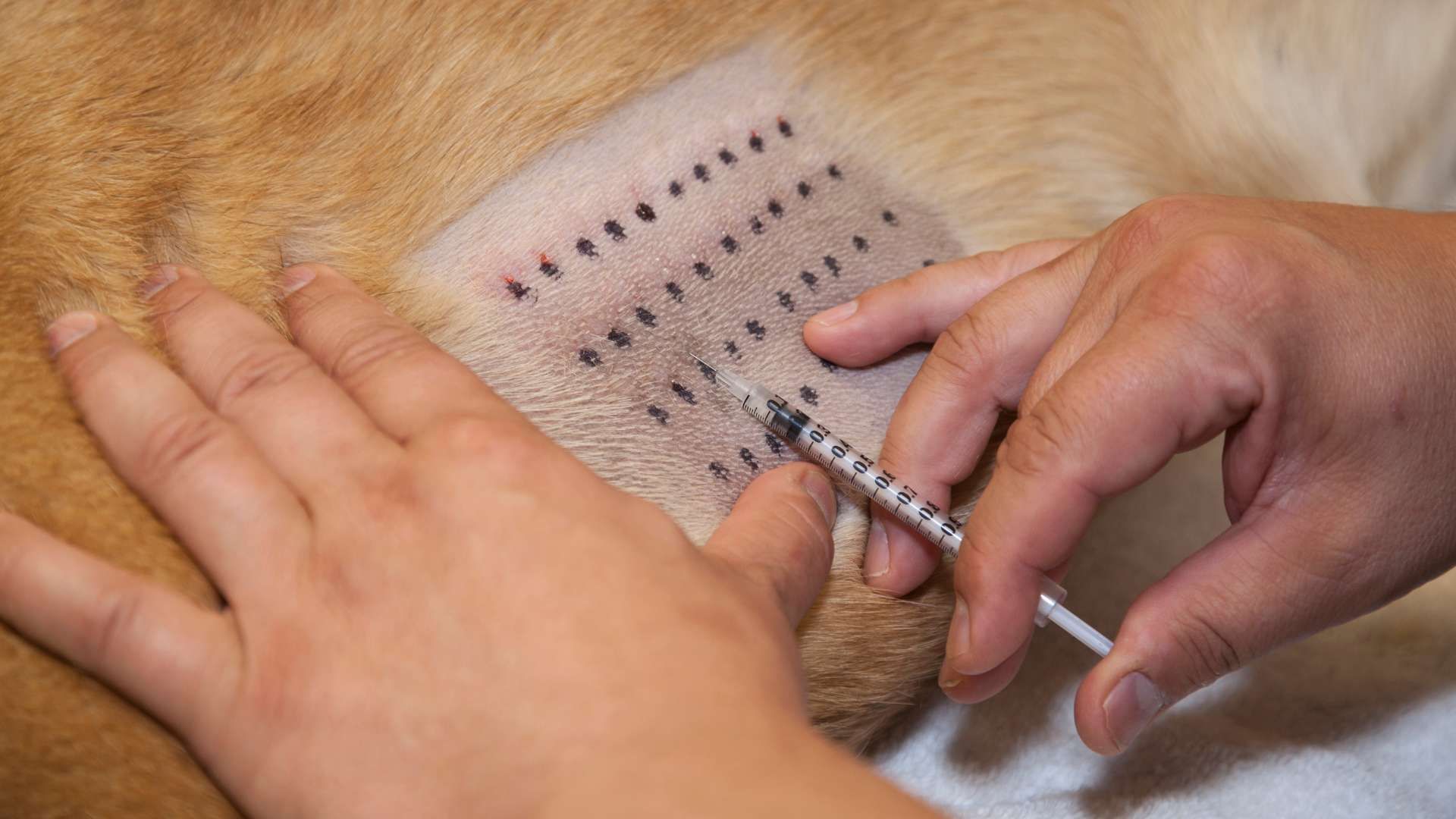
Injection technique. We teach you how to give injections during your pet's initial visits. Most owners are surprised at how easy it becomes with practice. The needles are tiny, and most pets barely notice. We're talking smaller than a mosquito bite.
Timing and consistency. Insulin works best when given at the same times every day, typically every 12 hours. Consistency matters enormously for maintaining stable blood sugar levels.
Dietary Management
Diet plays a huge role in managing diabetes, sometimes as important as insulin itself.
For dogs. High-fiber, low-fat diets help slow glucose absorption and maintain steady blood sugar levels. Prescription diabetic diets are formulated specifically for this purpose. Consistent feeding times and amounts matter just as much as what you feed.
For cats. High-protein, low-carbohydrate diets work best. Cats are obligate carnivores designed to eat meat, not grains. Many cats improve dramatically simply from switching to a proper low-carb diet. Some even achieve remission and come off insulin entirely.
Treats and snacks. These need to fit into the overall plan. We can guide you on appropriate treats and portions that won't derail blood sugar control.
Monitoring Blood Glucose
Keeping tabs on your pet's blood sugar levels helps fine-tune treatment and catch problems early.
At-home monitoring. Many owners learn to check blood glucose at home using a pet glucometer. It sounds intimidating but becomes routine quickly. A tiny blood sample from the ear or paw pad gives you real-time information about how well treatment is working.
Glucose curves. Periodically, we'll run a glucose curve, checking blood sugar every 1-2 hours throughout the day to see how insulin is working and adjust the dose if needed. This can be done at our clinic or increasingly at home with your help.
Continuous glucose monitors. Newer technology like the FreeStyle Libre allows continuous monitoring without multiple needle pokes. A small sensor placed on your pet transmits glucose readings to your phone. It's not necessary for every diabetic pet but can be incredibly helpful for difficult-to-regulate cases.
Exercise and Activity
Regular, consistent exercise helps regulate blood sugar levels. The key word is consistent. Wildly varying activity levels make diabetes harder to manage.
Dogs benefit from daily walks at roughly the same time each day. Cats need play sessions and enrichment activities. Sudden marathon play sessions or skipped exercise days can cause blood sugar swings.
Living with a Diabetic Pet: What Daily Life Looks Like
Once you settle into a routine, managing diabetes becomes second nature. Here's what daily care typically involves:
Morning: Feed breakfast. Give insulin injection 10-15 minutes after eating (timing varies by insulin type). Provide fresh water.
Throughout the day: Monitor for signs of low blood sugar (see hypoglycemia section below). Maintain consistent activity levels. Ensure constant access to fresh water.
Evening: Feed dinner at the same time as breakfast. Give second insulin injection. Monitor overnight for any problems.
Weekly: Check insulin supply. Monitor body weight and condition. Watch for any changes in symptoms or behavior.
Regular vet visits: Initially frequent (every 1-2 weeks) to stabilize diabetes, then every 3-6 months once regulated. These checkups are crucial for long-term success.
Sounds like a lot? Most owners report that after the first month, it becomes automatic routine. You'll develop a rhythm that works for your schedule and your pet's needs.
Potential Complications and Emergencies
Understanding what can go wrong helps you prevent problems and recognize emergencies quickly.
Hypoglycemia (Low Blood Sugar)
This is the most common emergency in diabetic pets and happens when blood sugar drops too low, usually from too much insulin, not enough food, or unusual exercise.
Warning signs: Weakness, stumbling, trembling, confusion, seizures, or loss of consciousness.
What to do: Rub honey, Karo syrup, or sugar water on your pet's gums immediately. Even if they can't swallow, the sugar absorbs through the gums. Then call us or head to an emergency clinic. Always keep a glucose source handy.
Diabetic Ketoacidosis (DKA)
This life-threatening complication happens when the body breaks down fat for energy at dangerous rates, producing toxic ketones.
Warning signs: Extreme lethargy, vomiting, rapid breathing, sweet or fruity breath odor, and refusal to eat.
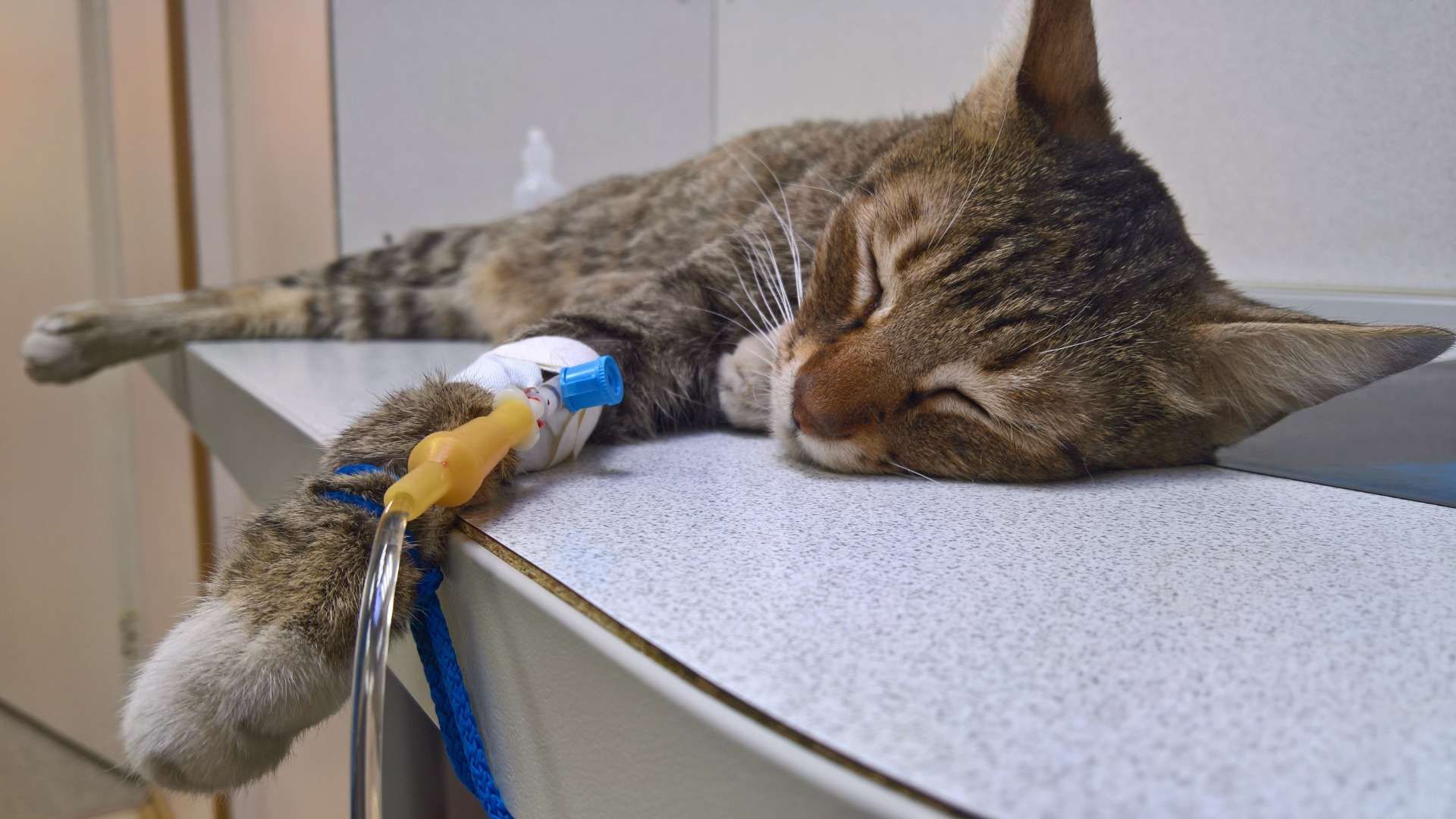
What to do: This is an emergency requiring immediate veterinary care, often hospitalization with IV fluids and intensive treatment.
Cataracts in Dogs
Most diabetic dogs develop cataracts within 6-12 months of diagnosis, leading to blindness. While this sounds terrible, blind dogs adapt remarkably well. Cataract surgery is an option if done before the lens completely deteriorates.
Peripheral Neuropathy in Cats
Diabetic cats sometimes develop weakness in their hind legs, causing a plantigrade stance (walking on their hocks instead of toes). This usually improves once blood sugar is well-controlled.
Recurrent Infections
High blood sugar creates an environment where bacteria and yeast thrive. Diabetic pets are prone to urinary tract infections, skin infections, and dental disease. Regular monitoring and prompt treatment of infections are important.
Can Diabetes Be Prevented?
For cats, absolutely. Maintaining a healthy weight through proper diet and activity dramatically reduces diabetes risk. Feed high-protein, low-carb foods. Encourage play and exercise. Keep your cat lean.
For dogs, prevention is trickier since most cases are autoimmune Type 1 diabetes. However, maintaining healthy weight, spaying females, and managing related conditions like pancreatitis or Cushing's disease can help reduce risk.
Regular preventative care visits catch early warning signs before diabetes develops or help diagnose it in early stages when it's easier to manage.
The Cost of Managing Diabetes
Let's talk money because it matters. Diabetes treatment isn't cheap, but it's also not astronomical for most pet owners.
Initial costs include diagnostic testing, insulin, syringes, potential prescription diet, and glucometer if monitoring at home. Expect several hundred dollars to get started.
Ongoing costs include insulin (varies by type but often $40-150 per bottle lasting 1-3 months), syringes, regular vet visits, periodic blood work, and prescription food if needed. Monthly costs typically range from $50-200 depending on your pet's size and specific needs.
Complications can increase costs significantly, which is why good management and regular monitoring matter so much. Preventing emergencies costs far less than treating them.
Many new clients ask about pet insurance. If you don't already have it, most policies won't cover pre-existing conditions like diabetes. However, they may cover diabetes-related complications like infections or injuries.
Frequently Asked Questions About Diabetes in Dogs and Cats
Can my diabetic pet ever come off insulin?
For dogs, almost never. Canine diabetes is typically permanent and requires lifelong insulin. For cats, remission is possible, especially with early aggressive treatment, strict low-carb diet, and good weight management. About 20-30% of cats achieve remission, though diabetes can return later. Never stop insulin without veterinary guidance, even if your cat seems better.
How long can a diabetic pet live?
With proper management, diabetic dogs and cats often live normal lifespans. The key is consistent treatment and monitoring. Many diabetic pets live 5-7+ years after diagnosis, and some much longer. Quality of life is typically excellent once diabetes is well-controlled.
What happens if I miss an insulin dose?
Missing one dose occasionally isn't ideal but won't cause immediate crisis. Skip that dose entirely and give the next scheduled dose at the regular time. Never double up to "make up" for a missed dose, as this can cause dangerous low blood sugar. If you frequently forget doses, set phone alarms or establish strong routine anchors.
Can I switch my pet's food while managing diabetes?
Food changes affect blood sugar levels, so they need to be done carefully with veterinary guidance. We'll help you transition gradually while monitoring glucose levels and adjusting insulin doses as needed. Never make sudden diet changes in diabetic pets without consulting us first.
Why does my diabetic pet still drink and urinate excessively even on insulin?
This usually means blood sugar isn't well-controlled yet. It takes time to find the right insulin dose, and levels need periodic adjustment. If symptoms persist despite treatment, we need to reassess the insulin type, dose, timing, or investigate other factors affecting control. Don't assume "this is just how it is now."
Can diabetic dogs or cats have treats?
Yes, but they need to be factored into the overall diet plan. Low-carb treats for cats, high-fiber treats for dogs, given at consistent times in consistent amounts work best. We can recommend appropriate options. Avoid anything with sugar, honey, or high carbohydrates.
Is diabetes painful for my pet?
Diabetes itself isn't painful, but complications can be. High blood sugar causes increased thirst and urination, which is uncomfortable. Diabetic neuropathy in cats can cause discomfort. Untreated diabetes leading to ketoacidosis is definitely painful. This is why proper management matters so much.
What if I can't afford diabetes treatment?
Talk to us honestly about budget constraints. We can discuss less expensive insulin options, ways to reduce monitoring costs, or payment plans. Some pets may qualify for assistance through organizations that help with veterinary costs. Uncontrolled diabetes leads to suffering and expensive emergencies, so finding a sustainable treatment plan benefits everyone.
Frequently Asked Questions About Castle Hills Animal Hospital
Does Castle Hills Animal Hospital have experience treating diabetic pets?
Absolutely. Dr. Joy and our veterinary team have extensive experience diagnosing and managing diabetes in both dogs and cats. We'll guide you through every step, from initial diagnosis through daily management, and we're always available when you have questions or concerns.
How often will my diabetic pet need vet visits?
Initially, expect visits every 1-2 weeks while we stabilize your pet and find the right insulin dose. Once regulated, most diabetic pets need checkups every 3-6 months for monitoring. Additional visits may be needed if you notice symptoms changing or if regulation becomes difficult.
Can you teach me how to give insulin injections?
Yes! We provide hands-on training during your pet's initial visits. You'll practice with guidance until you feel confident. Most owners are nervous at first but find it much easier than expected. We're always here for refresher training if needed.
What should I do if I have questions between appointments?
Call us at (469) 962-2060 anytime you have concerns. Managing diabetes involves a learning curve, and questions are completely normal. We'd rather you call about something minor than wait until it becomes a problem.
Do you offer after-hours emergency care?
For diabetic emergencies like hypoglycemia or ketoacidosis, we'll direct you to the nearest emergency veterinary clinic if the situation occurs outside our regular hours. We'll provide guidance over the phone and coordinate care with the emergency hospital.
Where is Castle Hills Animal Hospital located?
We're located at 3964 TX-121 #100, Lewisville, TX 75056, serving pets throughout Lewisville and the surrounding Dallas-Fort Worth area. You can schedule an appointment online or call us directly.
Your Partner in Managing Your Pet's Diabetes
A diabetes diagnosis might feel overwhelming right now, but you're not alone in this. Thousands of pet owners successfully manage diabetes at home, and their pets live happy, healthy lives. With proper treatment, consistent monitoring, and regular veterinary care, diabetes becomes just another part of your routine, not a constant source of stress.
At Castle Hills Animal Hospital in Lewisville, we're committed to supporting you and your pet through every stage of diabetes management. From initial diagnosis and treatment planning through long-term monitoring and adjustment, we're here to answer questions, provide guidance, and celebrate victories like stable blood sugar readings and healthy weight maintenance.
If you've noticed signs of diabetes in your dog or cat, or if you're concerned about symptoms you're seeing, don't wait for things to progress.
Call us at (469) 962-2060 or book an appointment online today. Early diagnosis and treatment make management easier and prevent serious complications. Your pet's health matters to us as much as it matters to you, and we're here to help them thrive despite diabetes.
Because a diabetes diagnosis isn't the end of your pet's good life. With the right care, it's just a new chapter in your journey together.
Castle Hills Animal Hospital provides comprehensive veterinary care for diabetic dogs and cats in Lewisville, Texas. Trust our experienced team to help you navigate diabetes management with confidence and compassion.
Disclaimer: The information provided on this blog is for general informational purposes only and is not intended as, and should not be considered, medical advice. All information, content, and material available on this blog are for general informational purposes only. Readers are advised to consult with a qualified healthcare professional for medical advice, diagnosis, or treatment. The author and the blog disclaim any liability for the decisions you make based on the information provided. Always seek the advice of your physician or other qualified health provider with any questions you may have regarding a medical condition.