Microchipping Your Pet: Why It’s a Must for Lewisville Pet Owners
Key Points
- Microchipping provides permanent identification for pets.
- Great for dogs, cats, and even small pets like rabbits.
- Helps reunite lost pets with owners faster than collars or tags alone.
- Quick, safe, and minimally invasive procedure performed by a licensed veterinarian.
- Castle Hill Animal Hospital offers professional microchipping with national registration.
Pets are naturally curious creatures, and their adventurous spirits sometimes get them into trouble. Whether your dog slips out the door or your cat sneaks under the fence, having a reliable way to identify your pet can be a lifesaver. That’s where microchipping comes in.
At
Castle Hill Animal Hospital in
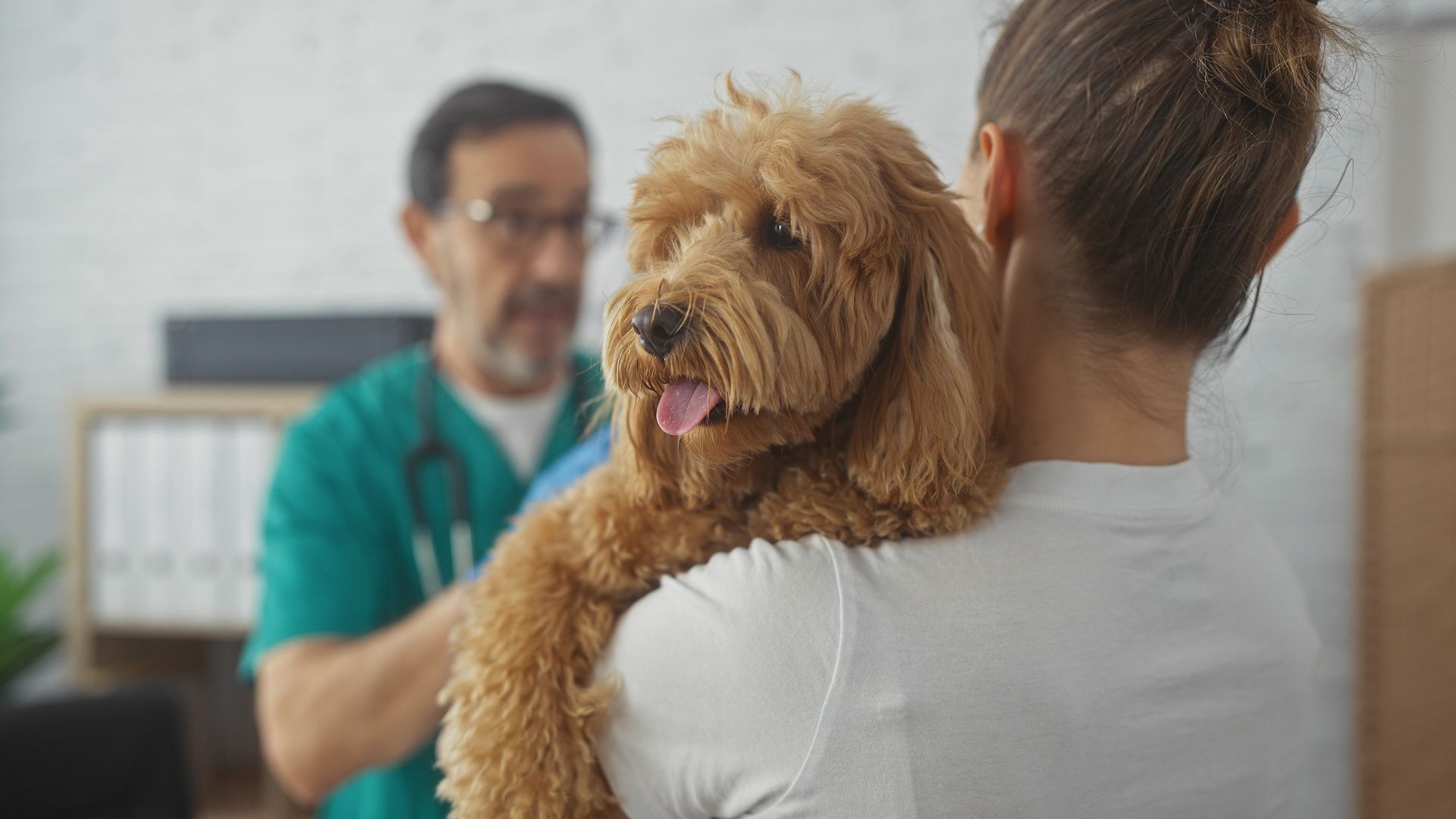
Lewisville, TX, Dr. Sam Joy and his team provide safe, quick, and professional microchipping services to help ensure pets return home safely—no matter where their adventures take them.
What Is a Microchip and How Does It Work?
A microchip is a tiny device, about the size of a grain of rice, implanted under your pet’s skin—usually between the shoulder blades. Each chip has a unique ID number linked to your contact information in a national pet recovery database.
When a lost pet is found and scanned by a veterinarian, animal shelter, or rescue organization, the chip instantly identifies the owner.
Benefits of microchipping include:
- Permanent ID that cannot be lost or removed like a collar
- Works for all types of pets, including dogs, cats, rabbits, and small mammals
- Quick, minimally invasive procedure
- Provides peace of mind for pet owners
Why Every Lewisville Pet Owner Should Consider Microchipping
Even pets with collars and tags can get lost. Collars break, tags fall off, and pets can sometimes wander far enough that even neighbors can’t help.
“Microchips are a permanent, reliable way to ensure pets are safely reunited with their owners,” says Dr. Joy. “We’ve seen countless stories where a microchip made the difference between a lost pet and a happy reunion.”
For families in Lewisville, TX, where pets have access to parks, busy streets, and open yards, a microchip is an essential safety tool.
How Microchipping Is Done
Microchipping is a simple procedure that your pet can tolerate easily. Here’s what to expect:
- Your pet is gently restrained for comfort.
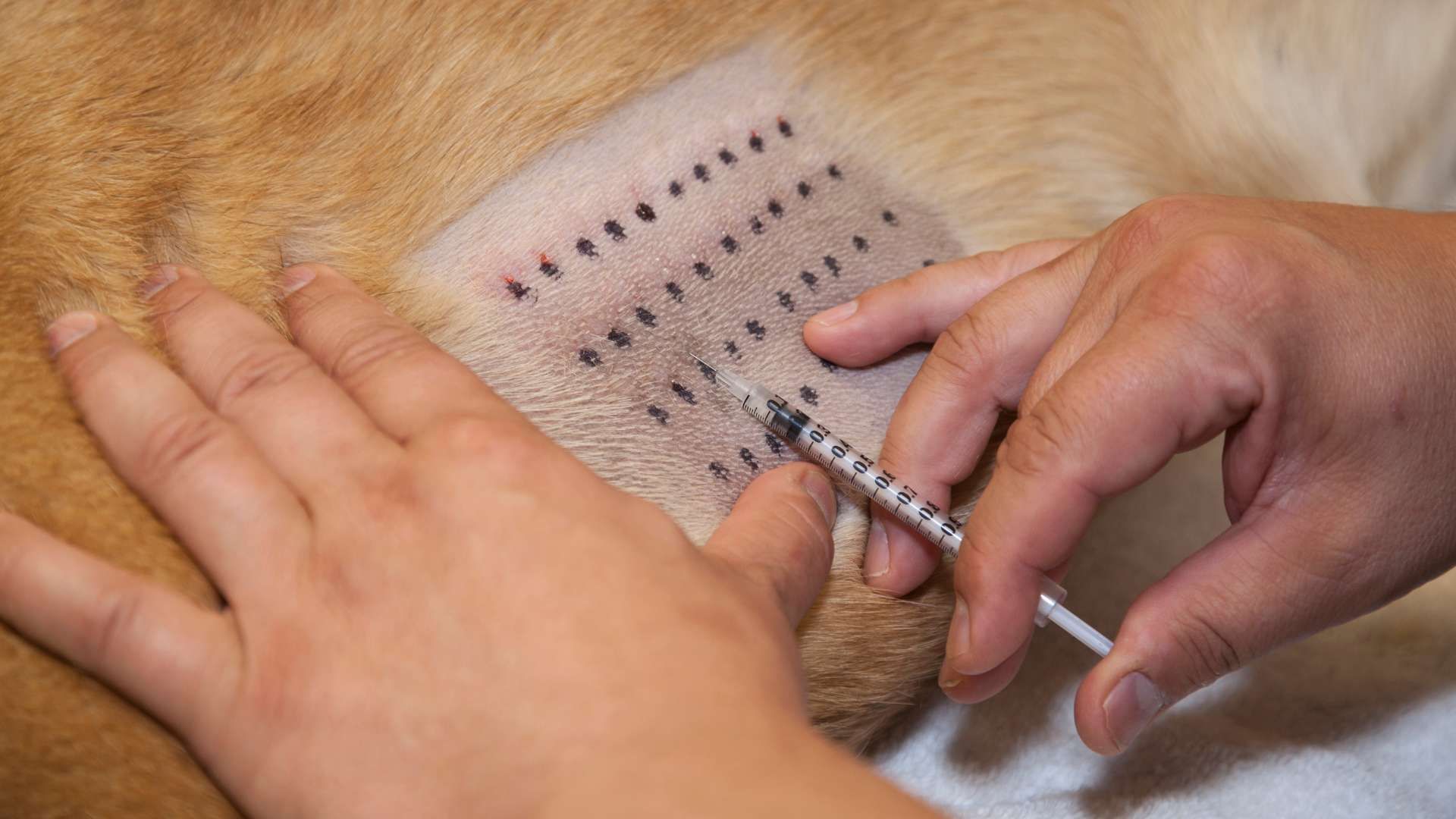
- A sterile microchip is injected under the skin with a small needle, similar to a routine vaccination.
- The chip is scanned to ensure it’s working correctly.
- Your contact information is securely registered in a national database.
Most pets recover immediately, and the microchip lasts their entire lifetime.
Tips to Protect Your Microchip Investment
- Keep your information updated: Move to a new address or change phone numbers? Update your microchip registration immediately.
- Use alongside collars and tags: A microchip is a backup, not a replacement. Your pet should still wear visible identification.
- Scan regularly: Ask your vet to scan the chip during routine visits to make sure it’s functioning properly.
- Share with caregivers: Boarding facilities, groomers, and pet sitters should know your pet is microchipped.
Learn more about Castle Hill Animal Hospital’s preventive care services to keep your pets safe from other potential risks at home.
Microchipping and Emergency Safety
Microchipping is one of the most effective tools to prevent permanent loss. According to the American Veterinary Medical Association, microchipped pets are twice as likely to be returned to their owners compared to pets without chips.
Combined with vaccinations, parasite prevention, and in-house lab testing, microchipping is a key component of comprehensive pet safety. And for those unexpected accidents or emergencies, Castle Hill Animal Hospital in Lewisville, TX offers urgent and emergency care to keep your pet safe.
FAQs About Microchipping
Q: Does microchipping hurt my pet?
A:
Most pets tolerate it very well. The procedure is quick, similar to a routine vaccination, and causes minimal discomfort.
Q: Can a microchip fall out or stop working?
A:
Microchips are designed to last a pet’s lifetime. Rarely, they can migrate slightly, which is why routine scans are recommended.
Q: Is microchipping only for dogs and cats?
A:
No! Rabbits, ferrets, and even some exotic pets can safely be microchipped.
Q: Do I need to register the microchip?
A:
Yes. A microchip is only effective if your contact information is up to date in the database. Castle Hill Animal Hospital ensures proper registration during the procedure.
Q: How quickly will my pet be returned if lost?
A:
If your pet is found and scanned, shelters and veterinary offices can contact you immediately. Microchipped pets are significantly more likely to be reunited with their owners.
Schedule Your Pet’s Microchipping Today
Protect your pet and enjoy peace of mind with microchipping. At Castle Hill Animal Hospital, Dr. Sam Joy and his team in Lewisville, TX provide professional, safe, and reliable microchipping services.
Call or visit today to schedule your appointment:
Castle Hill Animal Hospital
3964 TX-121, Suite #100, Lewisville, TX 75056 |
(469) 962-2060
Learn more about our
microchipping services and other preventive care options for your pets at
www.castlehillsvet.com.
Disclaimer: The information provided on this blog is for general informational purposes only and is not intended as, and should not be considered, medical advice. All information, content, and material available on this blog are for general informational purposes only. Readers are advised to consult with a qualified healthcare professional for medical advice, diagnosis, or treatment. The author and the blog disclaim any liability for the decisions you make based on the information provided. Always seek the advice of your physician or other qualified health provider with any questions you may have regarding a medical condition.