Same-Day Vet Appointments: When Your Pet Should Be Seen Quickly
Key Points:
- Same-day appointments address urgent health issues that need prompt attention but aren't life-threatening emergencies
- Clear warning signs indicate when same-day care is needed versus emergency clinic referral
- Early intervention prevents minor problems from becoming serious, costly conditions
- Castle Hills Animal Hospital prioritizes same-day appointments for sick and injured pets
- Knowing the difference between urgent and emergency saves money and prevents unnecessary emergency room visits
- Many conditions improve significantly with prompt veterinary care
- Call immediately if you're unsure whether your pet needs same-day attention
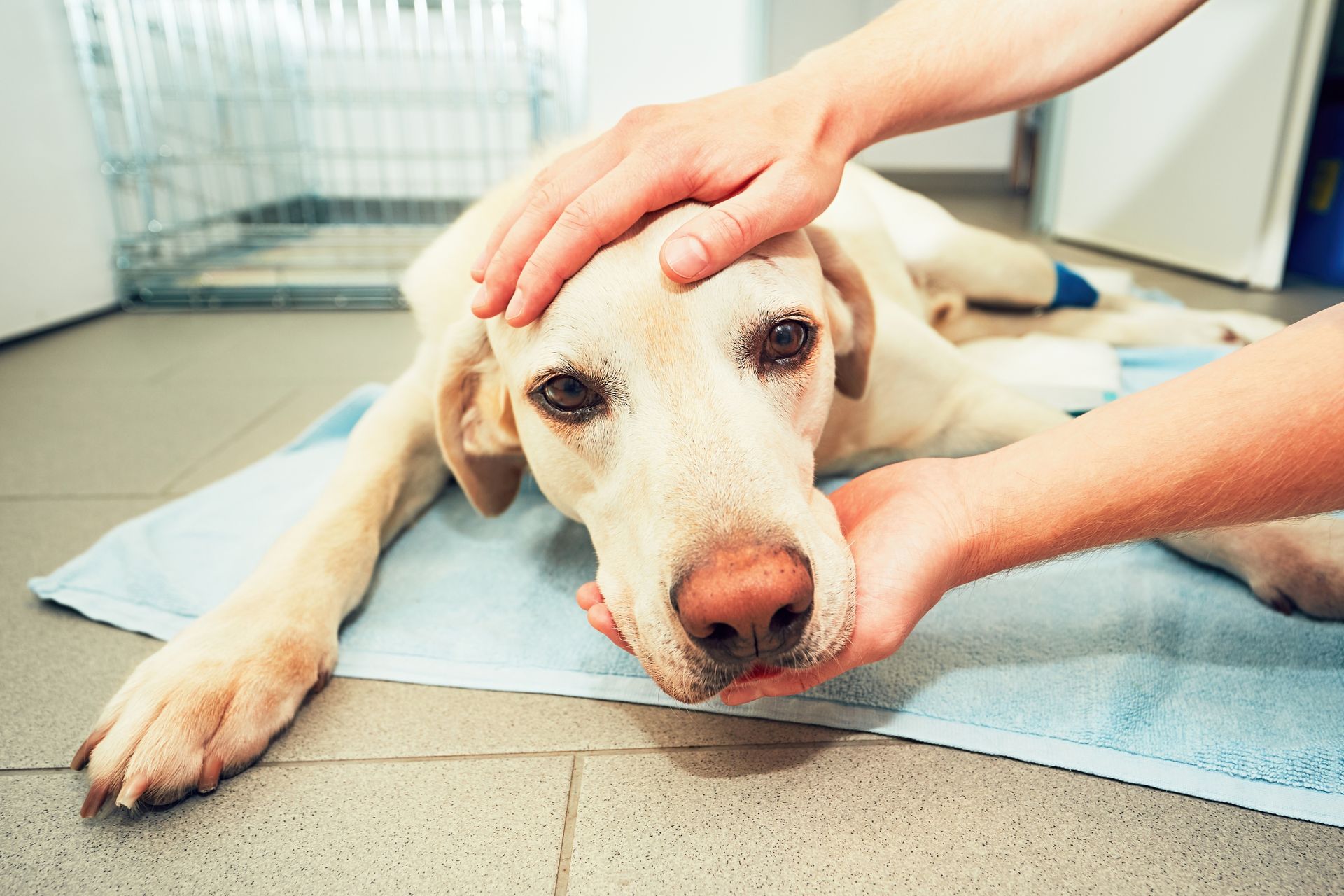
Your dog limps into the house favoring one leg. Your cat suddenly won't eat. Your puppy has been vomiting all morning. Now you're stuck in that terrible in-between zone: it seems serious, but is it serious enough to disrupt your whole day and rush to the vet? Or can it wait until your regular appointment next week?
Here's the thing about pet health: timing matters enormously. The difference between bringing your pet in today versus waiting a week can mean the difference between simple treatment and complicated, expensive intervention. Between manageable discomfort and serious suffering.
Let's cut through the confusion about same-day appointments and help you figure out when your pet really needs to be seen quickly.
Same-Day vs. Emergency: Know the Difference
Before we go further, let's clarify the categories because they're different situations requiring different responses.
Emergency Care (Go Now or Call for Guidance)
True emergencies are life-threatening and require immediate veterinary care, ideally within minutes to hours. These situations warrant heading straight to an emergency clinic or calling for urgent guidance.
Examples:
- Inability to stand or severe collapse
- Unconsciousness or unresponsiveness
- Severe difficulty breathing
- Uncontrolled bleeding
- Suspected toxic ingestion (poison, chocolate, xylitol, etc.)
- Obvious severe trauma or injury
- Pale or white gums
- Bloated, hard, painful abdomen
- Signs of extreme pain (crying, screaming, severe aggression)
- Uncontrollable vomiting or diarrhea with collapse
- Paralysis or inability to move back legs
Response: Call us immediately at (469) 962-2060 for guidance or head directly to the nearest emergency veterinary clinic.
Same-Day Urgent Care
Same-day appointments address conditions that need prompt attention, ideally within hours, but aren't immediately life-threatening. Your pet is sick or injured and should be evaluated today, not next week.
Examples:
- Moderate limping or inability to bear weight on a leg
- Persistent vomiting (multiple episodes)
- Diarrhea lasting more than 12 hours
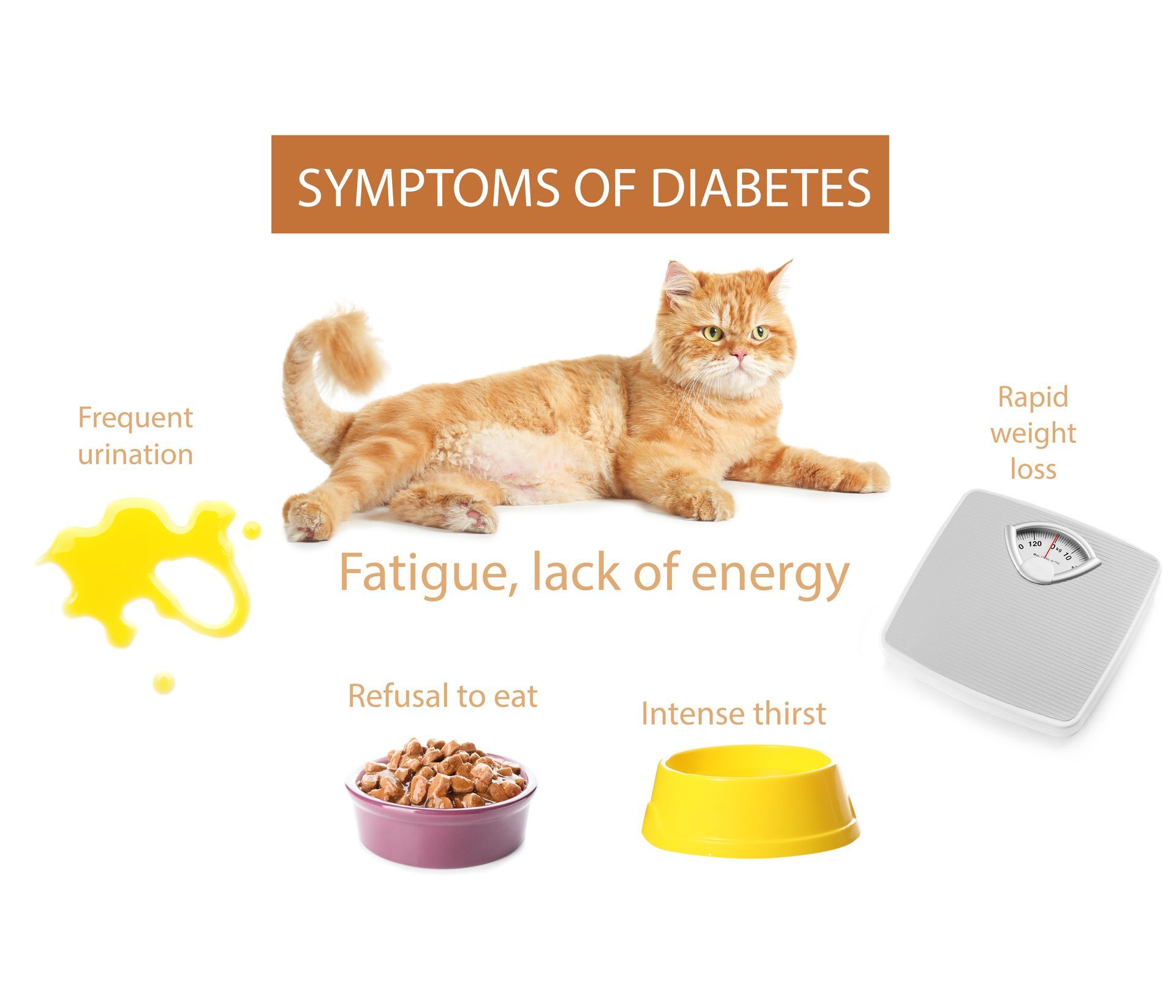
- Loss of appetite for 24+ hours
- Lethargy or unusual behavior
- Signs of pain (reluctance to move, guarding areas, mild crying)
- Discharge from eyes, ears, or nose
- Difficulty urinating or straining
- Visible wounds or injuries
- Ear scratching and head shaking
- Obvious swelling or lumps
Response: Call us at (469) 962-2060 early in the day or book a same-day appointment online if available. Explain that your pet needs to be seen today.
Routine Appointments
These address ongoing or minor concerns that aren't urgent. Your pet is okay for a few days while you arrange a convenient appointment.
Examples:
- Annual wellness exams
- Vaccine boosters
- Scheduled spay or neuter surgery
- Grooming or nail trim referrals
- Chronic condition follow-ups on a stable schedule
- Minor ear cleaning
- Nutritional counseling
Response: Schedule an appointment at your convenience.
When You Should Definitely Call for Same-Day Care
| Symptom | Why It Matters | Urgency Level |
|---|---|---|
| Limping or favoring a leg | Could be fracture, sprain, or arthritis flare. Early treatment prevents worsening | Same-day |
| Vomiting 2+ times | Dehydration risk, underlying GI issue | Same-day |
| Diarrhea for 12+ hours | Fluid loss, possible infection or parasites | Same-day |
| Not eating for 24 hours | Cats especially can develop serious liver disease (lipidosis) if they stop eating | Same-day (urgent for cats) |
| Excessive drooling | Dental pain, oral injury, toxin ingestion | Same-day |
| Difficulty breathing | Could indicate many serious conditions | Emergency |
| Seizures | First seizure always needs evaluation | Emergency |
| Unable to pee or poop | Urinary blockage is life-threatening | Emergency |
| Bleeding from mouth/ears | Could indicate serious injury or clotting disorder | Same-day to emergency |
| Swollen face or throat | Allergic reaction could worsen | Same-day |
| Persistent coughing | Could be kennel cough, heart issue, or pneumonia | Same-day |
| Ear discharge or odor | Likely ear infection causing pain | Same-day |
| Eye discharge or squinting | Possible corneal ulcer or infection | Same-day |
When Timing Makes a Critical Difference
Some conditions look mild initially but deteriorate rapidly without prompt care.
Urinary Blockage in Cats
A cat straining in the litter box might seem constipated, but urinary blockage is a medical emergency in male cats. The urethra becomes plugged, urine backs up, and toxins accumulate, causing kidney damage and death within days. This needs immediate evaluation, not "let's see if it resolves."
Bloat in Dogs
A dog with a slightly distended belly might just seem gassy. But bloat (gastric dilatation-volvulus) is a surgical emergency. The stomach twists and cuts off blood supply. Dogs die from bloat within hours without surgery. If your deep-chested dog seems uncomfortable with a hard belly, get to a vet immediately.
Sudden Lameness in Large Dogs
Cruciate ligament rupture (torn knee ligament) causes sudden inability to bear weight. Waiting a week means inflammation worsens, the dog compensates by using the other leg (which then develops problems), and recovery takes longer. Same-day evaluation and pain management help tremendously.
Refuses to Eat (Especially Cats)
A dog skipping one meal might be fine. A cat refusing food for 24 hours is concerning. Cats not eating triggers hepatic lipidosis, a serious liver condition. Waiting to see if appetite returns can cost your cat's life.
Sudden Behavioral Changes
Your normally friendly dog becomes aggressive or withdrawn. Your active cat suddenly hides and won't move. These aren't minor personality quirks. They signal pain, illness, or neurological problems. Same-day evaluation helps identify the cause quickly.
Discharge from Eyes, Ears, or Nose
Clear discharge might be allergies. Colored discharge suggests infection. Bloody discharge indicates injury or serious illness. Don't wait to see if it clears up.
How to Know If You Should Call
When you're genuinely unsure, this decision tree helps:
Is your pet unable to stand or severely painful? → EMERGENCY (Call us immediately or go to emergency clinic)
Is your pet showing signs of pain, limping, or seems very sick? → CALL US TODAY for same-day appointment
Has your pet eaten normally and seems otherwise fine? → Schedule regular appointment when convenient
When in doubt, call us at (469) 962-2060. Describe what you're seeing, and we'll help you determine urgency. We'd much rather you call about something minor than have you wait until it becomes serious.
What Happens During a Same-Day Urgent Appointment
Same-day appointments aren't different from routine visits in terms of care quality. They just happen faster because your pet needs prompt attention.
History: You'll explain what you've observed, when symptoms started, what your pet has eaten, and any other relevant details. Details matter.
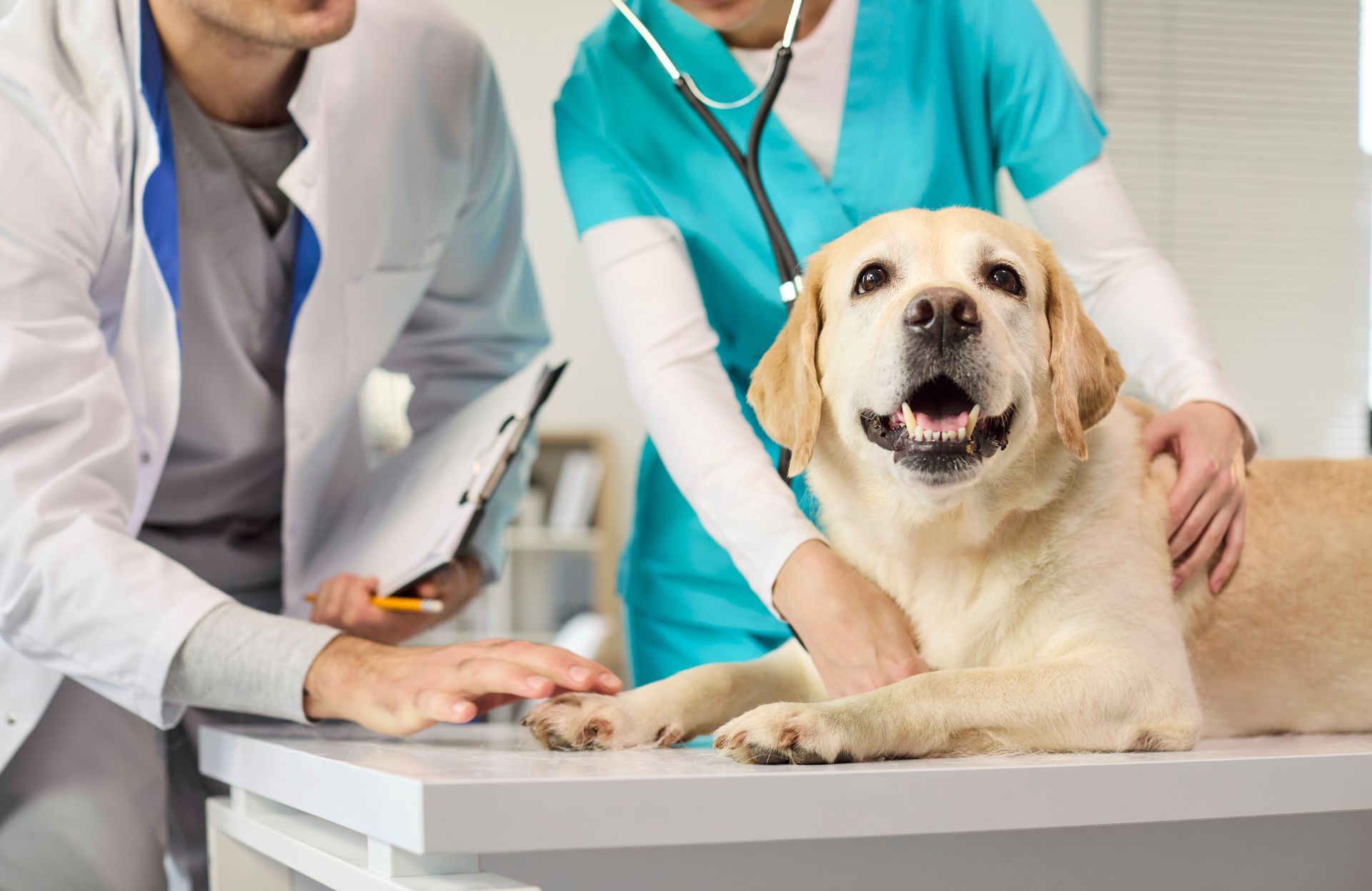
Physical examination: Dr. Joy will conduct a thorough exam, checking vital signs, palpating the abdomen, assessing pain, checking gum color, and evaluating overall condition.
Diagnostics if needed: Depending on symptoms, we might recommend X-rays, blood work, urinalysis, or other testing to identify the problem.
Treatment: Based on findings, we'll discuss options. This might include medication, dietary changes, rest, pain management, or referral to emergency care if something more serious is discovered.
Follow-up: We'll provide clear instructions on home care and when to return or contact us with questions.
Common Reasons for Same-Day Appointments
Limping or Lameness
Causes: Sprain, strain, fracture, arthritis flare, torn ligament, infection, or pain from other conditions.
Why see same-day: Early pain management and appropriate activity restriction prevent worsening. Imaging helps identify the problem so you know what you're dealing with.
Treatment: Might include pain medication, anti-inflammatories, rest, or further evaluation. Some conditions need imaging or surgery.
Vomiting or Diarrhea
Causes: Dietary indiscretion, infection, parasites, food intolerance, toxin exposure, or serious GI disease.
Why see same-day: Dehydration develops quickly, especially in puppies and small dogs. Identifying the cause prevents complications.
Treatment: Supportive care, medication, dietary changes, or diagnostics depending on severity.
Learn more in our comprehensive guide to dog vomiting and diarrhea.
Not Eating
Causes: Pain, nausea, infection, dental disease, stress, or serious illness.
Why see same-day: Identifying why your pet isn't eating helps. For cats especially, rapid intervention prevents liver disease (lipidosis).
Treatment: Identifying the cause allows appropriate treatment.
Discharge from Ears, Eyes, or Nose
Causes: Infection, allergy, injury, or foreign object.
Why see same-day: Ear infections are painful. Eye discharge might indicate serious problems. Early treatment prevents worsening.
Treatment: Antibiotics, antifungals, cleaning, medication, or further evaluation depending on diagnosis.
Itching and Scratching
Causes: Parasites, allergies, skin infection, ear infection, or other conditions.
Why see same-day: Constant scratching causes secondary skin damage. Dogs in pain from itching need relief. Identifying fleas, mites, or other parasites prevents spread.
Treatment: Parasite treatment, antibiotics if infected, medication, dietary changes, or allergy workup.
Getting a Same-Day Appointment at Castle Hills Animal Hospital
We prioritize same-day urgent appointments for pets who need them. Here's how to get one:
Call early: Ring us first thing in the morning at (469) 962-2060. We're more likely to fit you in early in the day.
Explain urgency: Tell us your pet is sick or injured and needs to be seen today. We'll work to accommodate you.
Be flexible: If we're booked, we might ask if late afternoon works or offer the next available time.
Use online booking if available: Our online system sometimes shows same-day availability even when the phone line is busy.
Have your information ready: If you're a new client, have your pet's information and medical history (if available from another vet) ready to speed up the process.
Bring relevant items: Bring any medications your pet takes, a stool sample if diarrhea is the issue, or a description of what you've observed.
Cost Considerations for Same-Day Care
Many pet owners worry same-day appointments cost more. They don't. The exam fee is the same whether you schedule in advance or need to be seen urgently. What changes is diagnostics if needed.
Exam fee: Covers the veterinary evaluation regardless of timing.
Diagnostics: X-rays, blood work, urinalysis, and other tests cost the same whether done same-day or at a routine appointment. If your pet needs them, they need them.
Medications: Pain medication, antibiotics, anti-nausea medication, and other prescriptions cost the same.
Actually, getting same-day care often saves money long-term by preventing minor issues from becoming serious, expensive problems.
Frequently Asked Questions About Bad Dog Breath
Is bad breath normal in older dogs?
No. While dental disease is more common in senior dogs because they've had more years for tartar to accumulate, bad breath is never "normal" at any age. It always indicates a problem. Older dogs with bad breath need dental evaluation and likely professional cleaning, not acceptance that "old dogs just smell bad."
Can I use human toothpaste on my dog?
Absolutely not. Human toothpaste contains xylitol, an artificial sweetener that is extremely toxic to dogs and can cause liver failure and death. It also contains fluoride and foaming agents that shouldn't be swallowed. Always use toothpaste specifically formulated for pets.
How often does my dog need professional dental cleaning?
This varies enormously by dog. Small breeds might need cleaning annually, while large breeds with good home care might go several years between cleanings. Regular preventative care visits allow us to monitor dental health and recommend cleaning when needed, not on an arbitrary schedule.
My dog won't let me brush their teeth. What can I do?
Start extremely slowly. Just let them lick the toothpaste off your finger for a week. Then touch their teeth with your finger. Progress gradually to a toothbrush. Make each step positive and rewarding. If brushing truly isn't possible, dental chews, dental diets, and more frequent professional cleanings become even more important.
Will dental cleaning cure my dog's bad breath?
If dental disease is the cause (which it usually is), yes. Most dogs have noticeably fresher breath immediately after professional cleaning. However, without home care, tartar returns and bad breath comes back. Cleaning treats the problem; home care prevents recurrence.
Is anesthesia safe for dental cleaning?
Modern veterinary anesthesia is very safe when proper protocols are followed, including pre-anesthetic blood work, IV catheter and fluids, monitoring equipment, and trained staff. The risk of anesthesia is extremely low compared to the risk of leaving dental disease untreated. We can't safely and thoroughly clean teeth, especially below the gum line, without anesthesia.
Can bad breath kill my dog?
Indirectly, yes. Severe untreated dental disease allows bacteria to enter the bloodstream and damage vital organs. Dogs have died from heart infections, kidney failure, and liver disease traced back to chronic dental infections. Bad breath is a symptom of disease that can have life-threatening consequences if ignored.
Why does my dog's breath smell worse after eating?
Food particles stuck in diseased teeth and gums create more bacterial activity, intensifying odor. This actually suggests significant dental disease since healthy mouths don't have deep pockets where food accumulates.
Frequently Asked Questions About Castle Hills Animal Hospital
Does Castle Hills Animal Hospital offer dental cleanings?
Yes! We provide comprehensive dental care including professional cleanings under anesthesia, dental X-rays, extractions when necessary, and guidance on home dental care. We use modern equipment and protocols to ensure your dog's safety and comfort.
How do I know if my dog needs dental cleaning?
Bring your dog in for an examination. We'll assess their oral health and let you know if professional cleaning is needed. Signs include bad breath, visible tartar, red or bleeding gums, difficulty eating, or pawing at the mouth. However, significant disease can exist even without obvious symptoms, which is why regular checkups matter.
What happens during a dental cleaning at your clinic?
We perform pre-anesthetic blood work, provide safe anesthesia with monitoring, take dental X-rays, thoroughly clean and scale all teeth above and below the gum line, polish teeth, and extract any diseased teeth that can't be saved. Your dog goes home the same day with pain medication if needed and instructions for post-procedure care.
How much does dental cleaning cost?
Costs vary based on your dog's size, the severity of dental disease, and whether extractions are needed. We provide estimates after examining your dog and understanding the scope of work needed. We're happy to discuss costs during your appointment.
Can I schedule just a dental exam without a full cleaning?
Yes! We can examine your dog's mouth during any appointment and assess their dental health. However, remember that we can only see so much during an awake exam. Comprehensive evaluation requires anesthesia and X-rays.
Where is Castle Hills Animal Hospital located?
We're at 3964 TX-121 #100, Lewisville, TX 75056, serving dogs and cats throughout Lewisville and the surrounding areas. You can call us at (469) 962-2060 or book an appointment online.
Don't Ignore Your Dog's Bad Breath
That terrible smell coming from your dog's mouth is trying to tell you something. It's not normal, it's not inevitable, and it's definitely not something to just live with. In most cases, it signals dental disease that's causing your dog pain and potentially damaging their internal organs.
The good news? Dental disease is treatable and preventable. Professional cleaning can eliminate existing infection and restore oral health. Home care maintains that health and prevents problems from returning. Together, these steps can literally add years to your dog's life while dramatically improving their comfort and quality of life.
At Castle Hills Animal Hospital in Lewisville, we're here to help you tackle your dog's bad breath and the underlying problems causing it. We'll examine your dog's mouth, create a treatment plan tailored to their needs, and teach you how to maintain dental health at home.
If your dog has bad breath, don't wait for it to get worse. Call us at (469) 962-2060 or schedule an appointment online today. Let's get to the bottom of what's causing that smell and get your dog's mouth healthy again.
Because fresh breath isn't just about making cuddle time more pleasant (though that's a nice bonus). It's about your dog living a longer, healthier, pain-free life.
Castle Hills Animal Hospital provides comprehensive dental care for dogs in Lewisville, Texas. Our experienced team is dedicated to helping your pet achieve optimal oral health and overall wellness.
Disclaimer: The information provided on this blog is for general informational purposes only and is not intended as, and should not be considered, medical advice. All information, content, and material available on this blog are for general informational purposes only. Readers are advised to consult with a qualified healthcare professional for medical advice, diagnosis, or treatment. The author and the blog disclaim any liability for the decisions you make based on the information provided. Always seek the advice of your physician or other qualified health provider with any questions you may have regarding a medical condition.