Cat Won't Eat: When It's an Emergency
Key Points:
- A cat refusing food for 24+ hours needs veterinary evaluation, not a "wait and see" approach
- Unlike dogs, cats can develop life-threatening liver disease (hepatic lipidosis) within 48-72 hours of not eating
- Different patterns of food refusal indicate different problems (complete refusal vs. picky eating vs. eating but vomiting)
- Emergency signs include severe lethargy, vomiting, jaundice (yellowing), or difficulty breathing
- Dental disease, stress, pain, illness, and toxin exposure are common reasons cats stop eating
- Early intervention prevents serious complications and often means simpler, less expensive treatment
- When in doubt about your cat's health, same-day veterinary evaluation is the safest choice
Your cat ignores their food bowl. Not unusual, right? Cats are picky. They're independent. They eat when they feel like it. Except this time feels different. It's been a day, maybe two. Your normally indifferent feline is now actively avoiding food, and you're starting to worry.
Here's the hard truth about cats: when they stop eating, it's not a personality quirk. It's a medical problem. Unlike dogs who might skip a meal and be fine, cats have a biological time bomb hidden in their liver. A cat refusing food for more than 24 hours isn't something to monitor at home. It's something to address immediately.
Let's talk about why cats not eating is so serious, how to tell if it's an emergency, and when you need to call Castle Hills Animal Hospital right now.
Why "Picky Eater" Is Your Worst Assumption
This is the mistake cat owners make constantly, and it's the one that causes real harm.
Dogs can miss meals and bounce back fine. Cats cannot. A dog skipping dinner is annoying. A cat skipping meals is a red flag that something is medically wrong.
Here's why: cats have evolved to be obligate carnivores with fast metabolisms. They're designed to eat small, frequent meals throughout the day. When they stop eating, their bodies rapidly enter a state where they start breaking down fat for energy. Normally, this wouldn't be a problem except cats' livers aren't equipped to handle massive amounts of fat being processed simultaneously.
This triggers a condition called hepatic lipidosis, also called fatty liver disease. The liver gets overwhelmed, fat accumulates in liver cells, the organ stops functioning properly, and without intervention, your cat can die within days. It's not a slow decline. It's a cascade.
And it all starts with a cat who "just isn't hungry."
The 24-Hour Rule: Your Critical Timeline
Here's your decision tree: If your cat hasn't eaten normally for 24 hours, they need to see a vet today. Not tomorrow. Not "let's see if they eat tomorrow." Today.
This isn't panic mode for every skipped meal. But if your cat is genuinely refusing food and it's lasted a full day, something is wrong and early intervention matters enormously.
Complete Refusal vs. Picky Eating: Know the Difference
Not all "not eating" is the same. The pattern matters.
Complete Refusal (Emergency-Level Concern)
Your cat shows zero interest in food. You set down their usual bowl and they walk away. They don't sniff it. They don't taste it. They don't even acknowledge it exists. This behavior change, lasting 24+ hours, needs same-day evaluation.
Decreased Appetite (Urgent-Level Concern)
Your cat eats some food but less than normal. They might eat a few bites and walk away. They're clearly interested but not finishing meals. If this continues for 24+ hours, call for a same-day appointment.
Pickiness or Food Refusal After Diet Change (Monitor, But Call if Persists)
You switched foods and your cat refused the new food. Or they suddenly decide they hate the food they've eaten for years. This is frustrating but not immediately dangerous, though it warrants evaluation if it continues beyond 24 hours or if other symptoms appear.
Eating But Then Vomiting (Red Flag)
Your cat is eating but vomiting shortly after. This suggests they physically cannot keep food down. Causes range from simple (eating too fast) to serious (intestinal blockage, food allergy, GI disease). This needs evaluation, potentially same-day if vomiting is frequent.
When It's Definitely an Emergency Right Now
Some situations require immediate veterinary care. Don't wait for an appointment.
Call us immediately at (469) 962-2060 or head to the nearest emergency clinic if you see:
- Severe lethargy or collapse (cat can barely move or is unconscious)
- Repeated vomiting
- Jaundice (yellowing of gums, ears, or skin)
- Difficulty breathing or labored breathing
- Extreme abdominal pain or distension
- Pale or white gums
- Seizures or neurological symptoms
- Known toxin ingestion (especially lilies, antifreeze, certain medications)
- Straining to urinate or no urine in litter box (possible urinary blockage, which is life-threatening in male cats)
These warrant emergency care, not waiting for business hours.
Common Reasons Cats Stop Eating
Understanding why your cat isn't eating helps determine urgency and treatment.
Dental Disease
Why it matters: Painful teeth, infected gums, or tooth abscesses make eating hurt. Your cat associates the food bowl with pain and avoids eating.
Other signs: Bad breath, drooling, bleeding gums, difficulty chewing, pawing at mouth.
Timeline: Can develop gradually, so appetite changes might be subtle at first.
Solution: Professional dental care under anesthesia plus pain management.
Stress or Environmental Changes
Why it matters: Cats are sensitive to routine disruption. New pets, moving, changes in litter type, new people, or even rearranging furniture can stress cats into not eating.
Other signs: Hiding, reluctance to engage, changes in litter box behavior.
Timeline: Usually temporary if the stressor is removed or the cat adjusts.
Solution: Restore routine, provide safe spaces, pheromone diffusers, patience. Vet evaluation to rule out medical causes.
Nausea or Gastrointestinal Issues
Why it matters: Anything upsetting the digestive system causes nausea, killing appetite. This includes food allergies, food intolerance, inflammatory bowel disease, gastritis, or parasites.
Other signs: Vomiting, diarrhea, weight loss, abdominal pain.
Timeline: Can be acute (sudden) or chronic (ongoing).
Solution: Dietary changes, medications, diagnostics, parasite treatment depending on cause.
Pain From Other Conditions
Why it matters: Pain anywhere in the body (arthritis, urinary tract infection, injury) can suppress appetite as cats conserve energy.
Other signs: Lethargy, reluctance to move, hiding, behavioral changes.
Timeline: Depends on the underlying condition.
Solution: Treating the pain-causing condition often restores appetite.
Learn more about recognizing pain in cats.
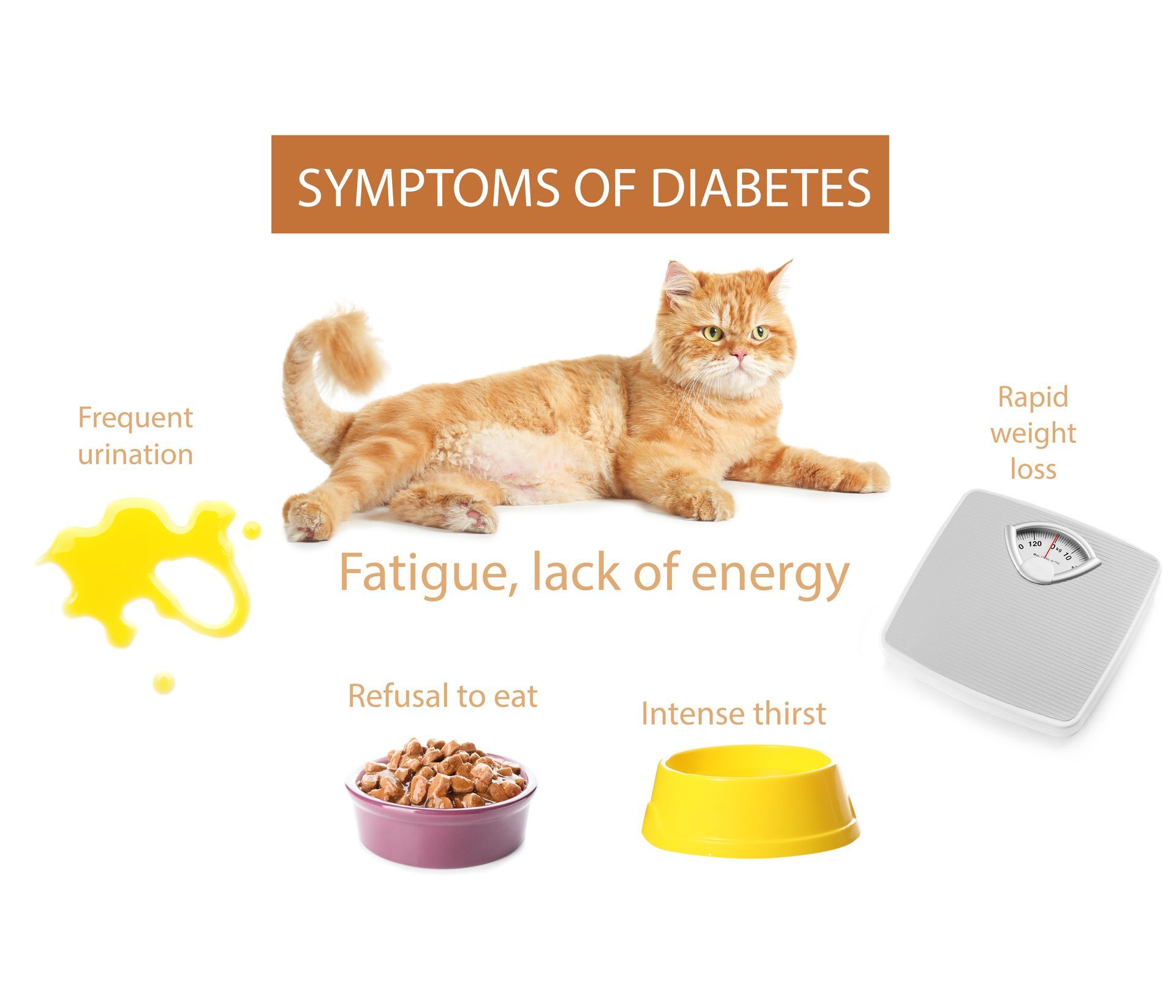
Diabetes
Why it matters: Uncontrolled diabetes causes nausea and loss of appetite despite high blood sugar.
Other signs: Increased thirst, increased urination, weight loss despite increased appetite (initially), lethargy.
Timeline: Develops gradually, often in older cats.
Solution: Insulin therapy, diet management, blood glucose monitoring.
Learn more in our comprehensive diabetes guide.
Kidney Disease
Why it matters: Failing kidneys cause toxin buildup, nausea, and loss of appetite.
Other signs: Increased thirst and urination, weight loss, vomiting, lethargy, bad breath.
Timeline: Chronic condition, often in senior cats.
Solution: Diet management, medication, fluid therapy, ongoing monitoring.
Infections or Fever
Why it matters: Fever suppresses appetite as the body fights infection.
Possible causes: Urinary tract infection, respiratory infection, abscess, feline leukemia (FeLV), feline immunodeficiency virus (FIV), or other infections.
Other signs: Fever (though you might not notice without a thermometer), lethargy, discharge, visible infection.
Timeline: Acute (sudden) onset typically.
Solution: Antibiotics, antivirals, supportive care depending on the infection.
Toxin Ingestion
Why it matters: Many household substances are toxic to cats and cause nausea/appetite loss.
Common toxins: Lilies (extremely toxic), other plants, medications, chocolate, xylitol, antifreeze, cleaning products.
Other signs: Vomiting, diarrhea, drooling, difficulty breathing, collapse.
Timeline: Depends on the toxin and amount, but some work quickly.
Solution: Immediate veterinary care, potential decontamination or chelation therapy.
Medication Side Effects
Why it matters: Some medications cause nausea or appetite suppression as a side effect.
Timeline: Usually appears shortly after starting the medication.
Solution: Speak with your vet about adjusting the dose, changing the medication, or giving it with food.
Hepatic Lipidosis: The Most Dangerous Consequence of Not Eating
This deserves special attention because it's the reason the 24-hour rule exists.
Hepatic lipidosis (fatty liver disease) happens when a cat's body breaks down fat too rapidly for the liver to handle. The liver becomes infiltrated with fat, stops functioning, and if untreated, the cat develops liver failure and dies.
How Fast Does It Happen?
48-72 hours: Significant fat infiltration of the liver can begin 3-5 days: Serious liver dysfunction develops 7-10 days without intervention: Often fatal
This isn't a slow disease. This is a life-threatening cascade that starts with "my cat isn't eating."
The Scary Part
Hepatic lipidosis is preventable but not always reversible. Cats who survive require aggressive treatment: hospitalization, IV fluids, nutritional support, potentially a feeding tube. Costs run $2,000-5,000+ and recovery takes weeks.
But here's the thing: early intervention when a cat first stops eating prevents hepatic lipidosis from developing at all. Getting your cat to the vet on day one of refusing food costs far less than emergency treatment for hepatic lipidosis on day seven.
Signs of Hepatic Lipidosis
- Lethargy and weakness
- Jaundice (yellowing of gums, ears, or white parts of eyes)
- Vomiting
- Poor coordination or stumbling
- Collapse
If you see these signs, your cat needs emergency care immediately.
What to Expect at Your Vet Appointment
When you bring your non-eating cat to Castle Hills Animal Hospital, here's what happens:
History and Examination
Dr. Joy will ask detailed questions about when your cat stopped eating, what they normally eat, any other symptoms, medical history, and recent changes. The physical exam checks vital signs, assesses hydration status, palpates the abdomen, checks the mouth, and evaluates overall condition.
Diagnostic Testing
Depending on symptoms, we might recommend:
- Blood work: Checks liver function, kidney function, blood glucose, and general health markers. This is crucial for cats not eating because hepatic lipidosis, kidney disease, and diabetes all show up on bloodwork.
- Urinalysis: Evaluates kidney function and can detect diabetes or urinary tract infections.
- Advanced digital X-rays: Rules out intestinal blockages or other physical problems.
- Oral examination: Checks teeth and gums for dental disease.
- FeLV/FIV testing: For cats with unknown history or if indicated by symptoms.
Treatment
Based on findings, treatment might include:
- IV fluids: For dehydration and to support organ function
- Anti-nausea medication: Often restores appetite
- Pain medication: If pain is the underlying issue
- Antibiotics: If infection is present
- Dietary changes: Prescription diets for specific conditions
- Feeding support: In severe cases, a feeding tube might be necessary temporarily
Home Care If Your Cat Is Eating Again
Once you've ruled out serious conditions and your cat starts eating:
- Feed high-quality food appropriate for their age and health status
- Offer multiple small meals throughout the day rather than one or two large meals
- Ensure fresh water is always available
- Maintain consistent feeding times and locations
- Monitor appetite closely for changes
- Keep stress minimal and maintain routine
- Follow up with vet visits as recommended for any ongoing conditions
Frequently Asked Questions About Cats Not Eating
How long can a cat go without eating?
Cats can survive about 2 weeks without food (using body reserves), but organ damage starts within 3-5 days. Hepatic lipidosis can begin within 48-72 hours. This is why the 24-hour rule is so important. Never assume your cat is "fine" just because they haven't completely collapsed yet.
Is my cat just being picky?
If your cat normally has a healthy appetite and suddenly refuses food, it's not pickiness. It's a medical problem. Pickiness usually means your cat is interested in some foods but not others, not complete food refusal.
Should I try different foods to tempt my cat to eat?
Not without vet guidance. If your cat has nausea, changing foods might upset their stomach more. If there's a blockage or other GI issue, feeding can make things worse. Get to the vet first to understand why they're not eating, then adjust diet based on diagnosis.
My cat hasn't eaten in 12 hours. Do I need to go to the vet?
Not necessarily in an emergency panic way, but monitor closely. If it reaches 24 hours, yes, definitely call for a same-day appointment. If other symptoms develop (lethargy, vomiting, hiding) before 24 hours, don't wait.
Can cats get depressed and lose appetite?
Cats can experience stress-induced appetite loss, but true depression with prolonged appetite loss usually has an underlying medical cause. Even if stress is the primary factor, the lack of nutrition quickly becomes a medical emergency. Get them to a vet.
What if my cat eats treats but not regular food?
This is interesting because it suggests they're interested in food but specific food is problematic. Could be taste preference (try different brands), texture issues (wet vs. dry), or nausea triggered by their regular food. Vet evaluation helps identify the cause.
Should I give my cat appetite stimulants at home?
No. There are veterinary appetite stimulants (medications), but they need to be prescribed after your vet determines why your cat isn't eating. Never give medications without professional guidance.
Frequently Asked Questions About Castle Hills Animal Hospital
Can I get a same-day appointment if my cat hasn't eaten?
Yes! If it's urgent, call us at (469) 962-2060 early in the day. We prioritize same-day appointments for sick pets, including cats with feeding issues. Tell us your cat isn't eating and we'll fit you in.
What diagnostic equipment do you have for evaluating cats not eating?
We have advanced digital X-rays, in-house laboratory for blood work and urinalysis, ultrasound for some cases, and oral examination capabilities. Most diagnostics can be done during your visit.
How quickly can bloodwork results come back?
Our in-house laboratory provides results within hours, often during your appointment. This means we can diagnose issues quickly and start treatment the same day.
Do you offer IV fluids and feeding support?
For cats who need hospitalization or intensive care, we provide IV therapy and supportive treatment. If a feeding tube is needed, we can discuss that option with you.
Where is Castle Hills Animal Hospital located?
We're at 3964 TX-121 #100, Lewisville, TX 75056. We're open Monday-Saturday with same-day appointments available. New clients are welcome and can often be accommodated quickly.
What if I can't reach you and it seems like an emergency?
Call us at (469) 962-2060 and our message will direct you to the nearest emergency veterinary clinic. For true emergencies (extreme lethargy, jaundice, collapse), don't wait for a callback. Go directly to emergency care.
Don't Ignore Your Cat's Appetite Loss
That food bowl sitting untouched isn't a sign your cat is being picky. It's a medical alert. Your cat is telling you something is wrong, and unlike with dogs, you have a narrow window to respond before serious conditions develop.
The hepatic lipidosis risk alone makes this urgent. But beyond that, every condition causing a cat to stop eating (dental disease, pain, infection, kidney disease, diabetes) gets worse the longer it goes untreated. Early intervention means easier treatment, lower costs, and better outcomes.
At Castle Hills Animal Hospital in Lewisville, we understand cat health and the unique risks cats face. We take appetite loss seriously because we know what can happen if it's not addressed quickly.
If your cat hasn't eaten normally for 24 hours, or if you're concerned about their appetite, call us at (469) 962-2060 or book a same-day appointment online today. We'll evaluate your cat, run any necessary diagnostics, and get them eating again.
Because your cat's life might depend on how quickly you act.
Castle Hills Animal Hospital provides same-day and emergency care for cats in Lewisville, Texas. Dr. Joy and our team are here when your cat needs us.
Disclaimer: The information provided on this blog is for general informational purposes only and is not intended as, and should not be considered, medical advice. All information, content, and material available on this blog are for general informational purposes only. Readers are advised to consult with a qualified healthcare professional for medical advice, diagnosis, or treatment. The author and the blog disclaim any liability for the decisions you make based on the information provided. Always seek the advice of your physician or other qualified health provider with any questions you may have regarding a medical condition.