Senior Pet Wellness Exams: What Changes as Dogs and Cats Get Older?
Key Points:
- Pets are considered "senior" starting around age 7 for large dogs, age 8-10 for small dogs, and age 10-12 for cats
- Senior pets require wellness exams twice yearly instead of annually to catch age-related health problems early
- Common senior pet conditions include arthritis, dental disease, kidney disease, diabetes, heart disease, and cancer
- Many age-related changes are manageable if caught early through preventative screening
- Bloodwork and urinalysis become critical diagnostic tools for senior pets, not optional
- "Just getting old" is not a diagnosis; significant changes warrant veterinary evaluation
- Quality of life management is a core focus for senior pets, with pain management and comfort as priorities
Your dog is slower getting up from the couch. Your cat sleeps more than they used to. Their muzzle is graying. These changes feel inevitable, a natural part of aging you accept and move on from. But here's what many pet owners miss: aging isn't an excuse to skip vet visits. It's actually the time when vet visits matter most.
Senior pets need different care than younger adults. Their bodies are changing in ways you can't always see. Organs are aging. Diseases are developing silently. Without proper monitoring, conditions that are easily manageable become serious, painful, and expensive.
Let's talk about what happens as pets age, why senior wellness exams are non-negotiable, and how to give your aging companion the best quality of life in their golden years.
When Is Your Pet Actually "Senior"?
This varies by size and species.
| Category | Small Dogs (under 25 lbs) | Large Dogs (over 50 lbs) | Cats |
|---|---|---|---|
| Adult | 1-8 years | 1-6 years | 1-10 years |
| Senior | 8+ years | 6+ years | 10+ years |
| Geriatric | 12+ years | 10+ years | 15+ years |
Why the difference? Large breed dogs age faster due to their bigger bodies and faster metabolism. Small breeds actually live longer and stay in the "adult" category longer. Cats are generally longer-lived than dogs.
The point: don't assume your 7-year-old large dog is still "young." They're entering senior years and need the preventative screening that comes with that stage.
Physical Changes You'll Notice
Some aging changes are obvious. Others sneak up gradually.
Coat and skin changes:
- Gray or white hair, especially on the muzzle and face
- Coat becomes less shiny, possibly drier
- Skin becomes thinner and more fragile
- Increased shedding or matting in cats
Mobility changes:
- Stiffness, especially after rest or in cold weather
- Reluctance to jump, climb stairs, or enter the car
- Slower gait or limping
- Difficulty rising from lying down
Sensory changes:
- Vision decline (cloudy eyes are common, especially in dogs)
- Hearing loss
- Decreased sense of smell
Behavioral changes:
- Sleeping more
- Less interest in play or activity
- Increased anxiety or clinginess
- House training accidents (new occurrence)
- Disorientation or confusion in advanced cases
Body condition changes:
- Weight loss or gain despite eating normally
- Muscle loss, especially in hindquarters
- Lumpiness or bumps appearing on the body
What Changes at the Cellular Level (What You Can't See)
The visible changes are just the tip. Inside, significant aging is happening.
Organ function declines:
- Kidneys become less efficient at filtering waste
- Liver metabolizes medications differently
- Heart muscle weakens, pump efficiency decreases
- Pancreas functions change (diabetes risk increases)
Immune system weakens:
- Ability to fight infection decreases
- Recovery from illness takes longer
- Cancer risk increases (immune system normally prevents cancerous cells from growing)
Cellular repair slows:
- Injuries take longer to heal
- Wound healing becomes problematic
- Bone density decreases (arthritis risk increases)
Medication metabolism changes:
- Standard doses may accumulate in the system
- Side effects become more likely
- Drug interactions matter more
This is why what worked for your pet at age 3 might not work at age 12.
Common Senior Pet Health Conditions
These conditions are far more likely in senior pets. Catching them early makes enormous differences in outcomes.
| Condition | In Dogs | In Cats | Why Early Detection Matters |
|---|---|---|---|
| Arthritis | Very common | Common | Pain management and mobility support improve quality of life dramatically |
| Kidney disease | Very common | Very common | Early detection allows diet/medication management to slow progression |
| Dental disease | Very common | Common | Prevents pain, infection, and organ damage from bacteria entering bloodstream |
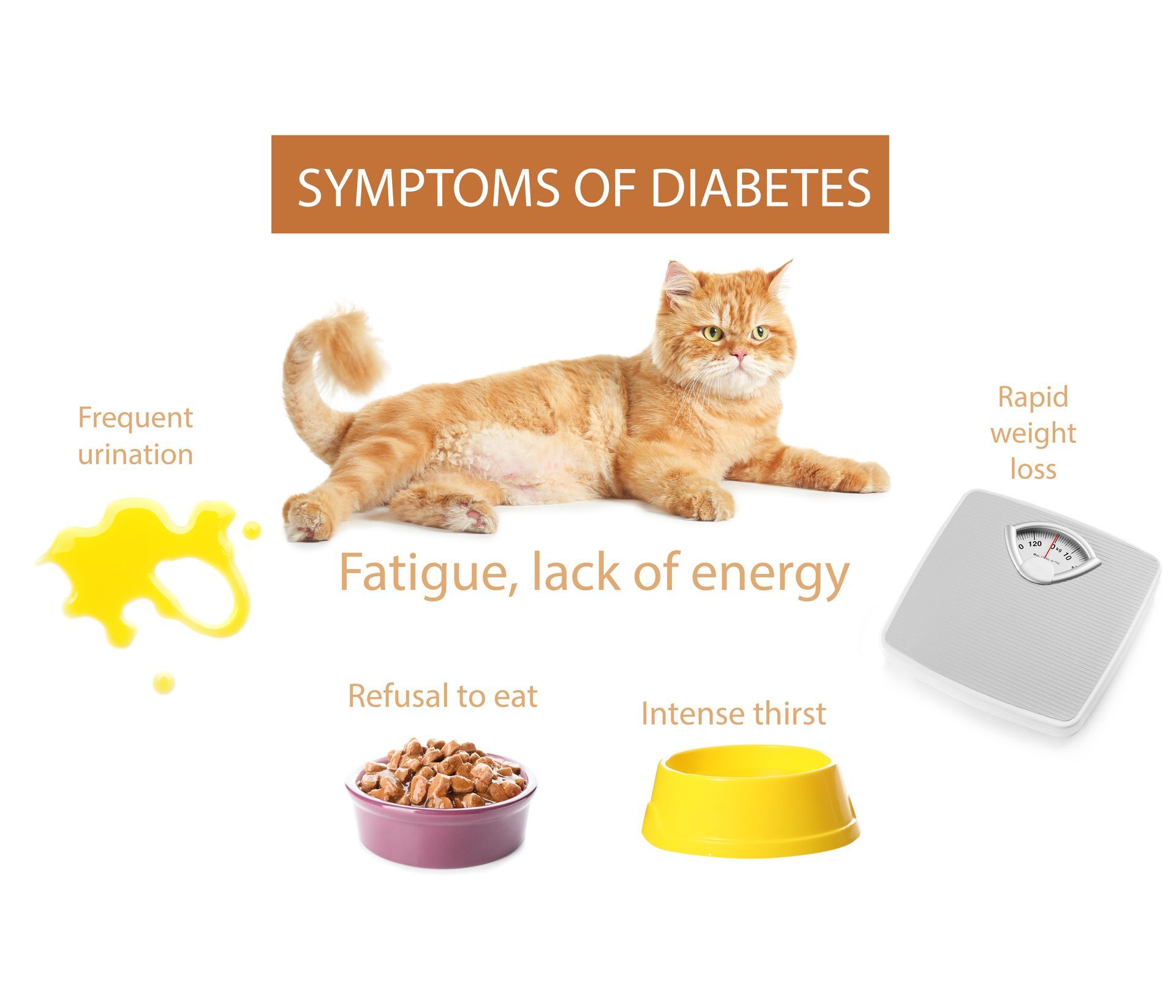
| Diabetes | Common | Very common | Manageable with insulin and diet; untreated leads to complications |
| Heart disease | Common | Less common | Medication and monitoring prevent sudden deterioration or failure |
| Thyroid disease | Uncommon | Common | Easily treated with medication; symptoms improve rapidly |
| Cancer | Common | Common | Early detection often allows treatment options; advanced cases may be untreatable |
| Cognitive dysfunction | Common in very old | Less common | Management strategies improve quality of life |
| Urinary incontinence | Common | Uncommon | Medication or management prevents house soiling and discomfort |
| High blood pressure | Common | Common | Uncontrolled hypertension damages organs; medication prevents this |
Why Senior Wellness Exams Matter
A "normal" annual exam isn't enough for senior pets.
Frequency: Senior pets should have wellness exams twice yearly (every 6 months) instead of once yearly. Six months is a long time for an aging pet. Conditions can develop quickly.
Thorough examination: Dr. Joy spends extra time on senior exams, checking:
- Joint mobility and pain
- Dental health thoroughly (not just surface inspection)
- Heart rate and rhythm
- Lung sounds
- Abdominal palpation for lumps or organ enlargement
- Body condition and weight trends
- Neurological function
- Eyes and ears
Baseline and trend monitoring: Regular exams establish baselines and allow us to spot trends. A weight loss of 2 pounds might seem minor, but if it's progressive over 6 months, it indicates a problem. Regular exams catch these patterns.
What Happens During a Senior Wellness Exam
Beyond the physical exam, senior wellness exams typically include diagnostic testing.
Physical Examination
Detailed assessment of all body systems, taking time to identify pain, mobility issues, or other changes since the last visit.
Bloodwork
In-house laboratory testing checks:
- Complete Blood Count (CBC): Red and white blood cell levels, helps identify anemia, infection, or bone marrow problems
- Chemistry Panel: Kidney function (BUN, creatinine), liver function (ALT, AST), blood glucose, electrolytes, protein levels
- Thyroid panel: For cats especially, and older dogs
Results often come back same-day, allowing immediate discussion of findings.
Urinalysis
Checks kidney function, identifies urinary tract infections, detects diabetes, and evaluates overall kidney health.
Blood Pressure Monitoring
High blood pressure is common in senior pets and damages organs silently. Monitoring allows early treatment.
Advanced Digital X-Rays
For specific concerns like suspected arthritis, heart enlargement, or masses, X-rays provide detailed information.
Dental Assessment
Thorough oral exam evaluates dental disease, which is extremely common in senior pets and causes significant pain if untreated.
Managing Pain and Quality of Life in Senior Pets
As pets age, pain management becomes a primary focus. Many owners assume their senior pet's slowness is "just aging" when actually the pet is in pain.
Pain Management Options
Medications:
- Non-steroidal anti-inflammatories (NSAIDs like Rimadyl, Carprofen)
- Prescription pain medication
- Gabapentin (nerve pain, arthritis)
- Tramadol (moderate pain)
Supplements:
- Glucosamine and chondroitin for joint support
- Omega-3 fatty acids for inflammation
- Joint supplements with MSM
Physical approaches:
- Orthopedic bedding (memory foam, raised sides)
- Ramps or stairs to reduce jumping
- Mobility aids for back leg weakness
- Physical therapy or low-impact exercise
- Keeping pets at healthy weight (excess weight stresses joints)
Environmental modifications:
- Elevated food and water bowls (reduces neck strain)
- Easily accessible litter box for cats (low sides, easy entry)
- Non-slip flooring (helps pets with poor traction)
- Climate control (cold weather worsens arthritis)
Quality of Life Assessment
Sometimes we need to have harder conversations about quality of life. An excellent senior wellness exam includes discussing:
- Is your pet eating well and maintaining weight?
- Can they move comfortably and access their bathroom areas?
- Do they have pain-free periods?
- Are they engaged with family or withdrawn?
- Can we manage their conditions with treatment?
These conversations are important and deeply human. We're here to help you navigate them.
Common Mistakes in Senior Pet Care
Mistake #1: "They're just getting old" Significant changes are never "just aging." They're signs of treatable conditions. A diagnosis isn't always possible or necessary (sometimes we just manage symptoms), but ruling out serious problems requires evaluation.
Mistake #2: Skipping vet visits to "save money" This backfires. Catching kidney disease early allows dietary management to slow progression for years. Catching it late means emergency care, hospitalization, and high costs. Prevention and early detection save money long-term.
Mistake #3: Not mentioning changes to the vet The limp your cat has, the increased drinking, the occasional accidents. These seem minor to you, but they're important clues. Tell us everything you've noticed since the last visit.
Mistake #4: Not addressing pain Owners often think "my dog/cat will let me know if they're in pain." They won't. Animals hide pain until it's severe. If we suspect pain, we recommend treating it, even if your pet doesn't seem obviously uncomfortable. A pain-free pet has better quality of life.
Mistake #5: Ignoring dental disease because of age Some owners avoid dental cleaning in senior pets because "they're old anyway" or worry about anesthesia. Modern anesthesia is very safe with pre-anesthetic bloodwork. Untreated dental disease causes pain and organ damage that actually shortens life and reduces quality. Dental care extends healthy life.
Frequently Asked Questions About Senior Pet Wellness
At what age should I start the twice-yearly wellness exams?
Right when your pet enters the "senior" category for their size and species. For small dogs around age 8, large dogs around age 6, and cats around age 10. If you're unsure, ask us at your next appointment.
Are twice-yearly exams really necessary?
Yes. For senior pets, six months is a long time. Conditions like kidney disease, diabetes, and cancer can progress rapidly. Catching issues at the six-month mark rather than waiting a full year makes meaningful differences in treatment options and outcomes.
My senior pet seems fine. Do they really need all that bloodwork?
Many serious conditions develop without obvious symptoms. Kidney disease, diabetes, thyroid disease, and early cancer often show no signs until they're advanced. Bloodwork detects these problems before your pet shows symptoms, allowing earlier intervention. It's preventative medicine at its best.
Is anesthesia safe for senior pets?
Modern veterinary anesthesia is very safe when proper protocols are followed. Pre-anesthetic bloodwork ensures your pet's organs can handle anesthesia. IV fluids and monitoring during the procedure add safety. The risk of anesthesia is extremely low compared to the risks of untreated dental disease or other conditions requiring sedation.
How much does a senior wellness exam cost?
The exam itself is similar to a regular wellness exam. The difference is the recommended diagnostics (bloodwork, urinalysis, X-rays if needed), which add $200-500 depending on which tests are done. Think of it as an investment in early detection and quality of life.
My senior pet is painful. Isn't pain just part of aging?
Pain is never "just part of aging." While some discomfort might accompany aging, we can manage it. Untreated pain reduces quality of life, decreases activity (which worsens muscle loss and mobility), and can accelerate decline. Treating pain improves overall health and longevity.
Can you reverse age-related changes?
No, we can't reverse aging. But we can slow progression, manage symptoms, treat complications, and maximize quality of life. That's the goal of senior wellness care.
My cat/dog is acting confused or disoriented. Is that normal aging?
Some cognitive changes occur with very advanced age, but sudden or significant confusion warrants evaluation. It could indicate thyroid disease, nutritional deficiency, medication side effect, or other treatable conditions. Don't assume it's just "sundowning" without vet assessment.
Frequently Asked Questions About Castle Hills Animal Hospital
Do you specialize in senior pet care?
We provide preventative care and geriatric wellness exams for senior pets. Dr. Joy is experienced in managing common senior conditions and focuses on quality of life.
What bloodwork do you recommend for senior pets?
We tailor recommendations to your pet's individual situation, health history, and any symptoms. A baseline senior bloodwork panel checks organ function comprehensively. For pets with known conditions, we may recommend additional targeted testing.
Can you do bloodwork in-house or do I need to wait for results?
We have in-house laboratory capabilities that provide results within hours, often during your appointment. This allows us to discuss findings immediately and start treatment the same day if needed.
How do I know if my senior pet needs pain management?
We assess this during wellness exams by checking joint mobility, listening to your description of behavior changes, and evaluating overall condition. If we suspect pain, we recommend trying pain management and monitoring results. Many owners are surprised how much their pet improves once pain is addressed.
Do you offer orthopedic surgery for senior pets?
For surgical candidates, yes. Age alone doesn't disqualify a pet from surgery if their bloodwork and health allow it. We evaluate each case individually, considering the condition, prognosis, and quality of life implications.
Where is Castle Hills Animal Hospital located?
We're at 3964 TX-121 #100, Lewisville, TX 75056. We provide senior wellness exams and geriatric care for dogs and cats in Lewisville and surrounding areas. You can call (469) 962-2060 or book an appointment online.
Give Your Senior Pet Their Best Golden Years
Your aging companion has given you years of loyalty and love. Senior wellness care is how we repay that by ensuring their golden years are as comfortable and happy as possible.
The changes you're noticing aren't inevitable declines you have to accept. Many are manageable. Some are preventable. All deserve proper veterinary attention and care tailored to your senior pet's unique needs.
At Castle Hills Animal Hospital in Lewisville, we believe senior pets deserve specialized attention. Twice-yearly exams, comprehensive diagnostics, preventative screening, and pain management are how we help aging pets thrive rather than just survive.
If your pet is entering their senior years or is already there, let's schedule a comprehensive wellness exam. Call us at (469) 962-2060 or book an appointment online. Let's make sure your senior pet gets the care they deserve.
Because every year matters, and your pet's quality of life is what truly counts.
Castle Hills Animal Hospital provides comprehensive geriatric wellness care for senior dogs and cats in Lewisville, Texas. Dr. Joy and our team are dedicated to helping your aging companion live their best life.
Disclaimer: The information provided on this blog is for general informational purposes only and is not intended as, and should not be considered, medical advice. All information, content, and material available on this blog are for general informational purposes only. Readers are advised to consult with a qualified healthcare professional for medical advice, diagnosis, or treatment. The author and the blog disclaim any liability for the decisions you make based on the information provided. Always seek the advice of your physician or other qualified health provider with any questions you may have regarding a medical condition.