How Much Does It Cost to Spay or Neuter Your Dog or Cat?
Key Points
- Spay/neuter costs range from $200-600+ depending on your pet's size, age, and health status
- The fee includes pre-operative exam, anesthesia, surgery, pain medication, and post-op care
- Cost varies by clinic location, surgeon experience, and whether complications arise
- Castle Hills Animal Hospital accepts CareCredit, payment plans, and offers transparent pricing
- Spaying/neutering prevents serious health problems and unwanted litters, saving money long-term
- Early spay/neuter (before first heat in females) offers maximum health benefits
- Recovery typically takes 10-14 days with proper post-operative care at home
Understanding Spay and Neuter Costs
One of the first questions new pet parents ask is simple: "How much will this cost?" And for good reason. Spaying and neutering are routine surgeries, but they're still surgical procedures, and surgery has a price tag attached.
The answer isn't straightforward because cost depends on multiple factors. A small cat's spay costs significantly less than a large dog's neuter. A healthy young pet costs less than an older pet with underlying health conditions. And prices vary between clinics based on location, facility, and surgeon experience.
Let's break down what you can expect to pay, what's actually included in that price, and how to navigate payment options.
The Cost Range: What You'll Actually Pay
Here's what pet owners typically see at veterinary clinics:
These ranges assume:
- Healthy pets with no complications
- Pre-operative bloodwork normal
- Standard anesthesia protocol
- Routine recovery
Why Costs Vary So Much
If you call five different vets, you might get five different prices. Here's why:
Size and Complexity of Your Pet
A 5-pound cat takes 15-20 minutes to spay. A 90-pound dog takes 45-60 minutes. Larger pets need more anesthesia, more pain medication, more monitoring, and more surgical time. Simple math: more time and resources equal higher cost.
Additionally, overweight or older pets sometimes require extended surgery time due to anatomical complications, which increases the cost.
Pre-operative Bloodwork
Before surgery, we recommend pre-operative blood work to ensure your pet's organs can handle anesthesia safely. This costs an additional $100-200 depending on which tests are run.
Young, healthy pets sometimes skip this step, reducing cost. But for seniors or pets with health concerns, it's essential and adds to the total.
Anesthesia Protocol and Monitoring
Modern veterinary anesthesia is very safe when proper protocols are followed. This includes pre-operative bloodwork, IV catheter placement, IV fluids during surgery, and continuous monitoring. Clinics with more sophisticated monitoring equipment and trained staff may charge more, but they're also reducing anesthesia risk significantly.
Some clinics use older anesthesia protocols that cost less but carry higher risk. You get what you pay for.
Facility Quality and Location
A clinic in a major metropolitan area costs more than one in a rural area. A state-of-the-art surgical facility with advanced equipment costs more than a basic clinic. Surgeon experience matters too. A board-certified surgical specialist charges more than a general practitioner, but offers specialized expertise.
Post-operative Pain Management and Medications
Quality spay/neuter pricing includes pain medication for post-operative comfort. Some clinics charge separately for pain meds (adding $50-150). Others include them. Ask what's covered before you commit.
Unexpected Complications
Sometimes surgery reveals surprises. A pet with hidden ovarian cysts, an undescended testicle, or uterine pathology needs extended surgery time. Complications discovered during surgery increase the cost, sometimes significantly.
Reputable clinics explain these add-on costs clearly before or immediately after surgery.
What's Included in the Cost?
Here's what your spay or neuter cost should cover:
Pre-operative Consultation and Exam
Dr. Joy will examine your pet, review medical history, discuss the procedure, answer questions, and obtain consent before surgery.
Pre-operative Bloodwork (Usually)
At Castle Hills Animal Hospital, we recommend pre-operative bloodwork as standard. This checks organ function and identifies hidden health issues that might affect anesthesia safety. Some clinics include this in the surgical cost; others charge separately ($100-200).
Anesthesia and IV Fluids
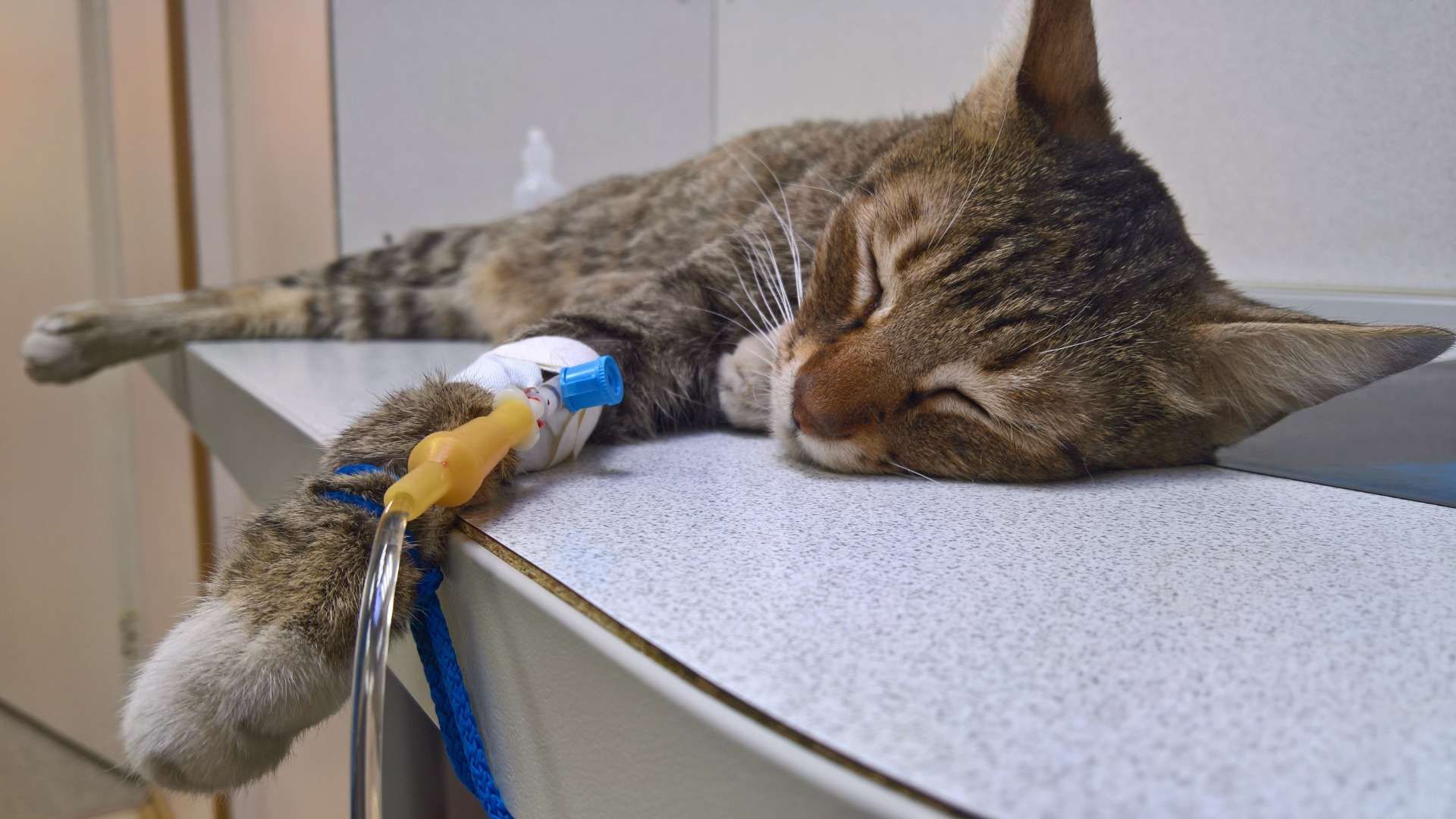
Your pet receives safe, modern anesthesia. An IV catheter is placed, and fluids run during surgery to maintain blood pressure and organ perfusion.
The Surgical Procedure
The actual spay or neuter, performed by Dr. Joy under full anesthesia with monitoring equipment ensuring your pet's safety.
Pain Management
Your pet goes home with pain medication to manage post-operative discomfort. This typically lasts 7-10 days.
Sutures or Surgical Glue
Closure of the surgical site with sutures (usually removed 10-14 days post-op) or surgical glue (no removal needed).
Post-operative Instructions and Follow-up
You'll receive detailed care instructions, activity restrictions, and pain medication dosing. We're available for questions during recovery.
What's Usually NOT Included (Ask Before Surgery)
- Advanced imaging (digital X-rays, ultrasound)
- Additional bloodwork beyond standard pre-op
- Extended monitoring or ICU care if complications occur
- Medications beyond basic pain management
- E-collar or recovery supplies
Always ask: "What's included in the quoted price, and what costs extra?"
Why Spay and Neuter Is Worth the Cost
The upfront cost feels significant. But consider what you're preventing:
Health Problems You're Avoiding
In females:
- Uterine infections (pyometra) - emergency surgery costing $2,000-4,000
- Ovarian and uterine cancers
- Mammary cancer (dramatically reduced if spayed before first heat)
- Unwanted pregnancy complications
In males:
- Prostate disease and prostatitis
- Testicular cancer
- Benign prostate enlargement
- Perianal fistulas
In both:
- Behavioral issues from unspayed/unneutered status
- Costs of managing heat cycles or marking behavior
- Unplanned litters (extremely expensive to prevent complications)
The $300-500 spay costs nothing compared to a $3,000 emergency pyometra surgery or $5,000+ cancer treatment.
Population-Level Benefits
Spaying and neutering directly prevents the birth of millions of unwanted animals who end up in shelters or worse. It's one of the most important health decisions you make for your pet and your community.
Payment Options and Making It Affordable
The cost shouldn't prevent you from spaying or neutering. There are ways to manage it:
CareCredit
Castle Hills Animal Hospital accepts CareCredit, which offers payment plans with no interest if paid within a promotional period (often 6-12 months). This spreads the cost over time without additional fees if you meet the terms.
Veterinary Payment Plans
We work with clients on payment arrangements. If cost is a barrier, talk to us. Many clinics (including ours) are willing to work with pet owners rather than turn them away.
Spay/Neuter Assistance Programs
Many communities and animal rescue organizations offer low-cost spay/neuter clinics. If cost is genuinely prohibitive, these programs can help. However, quality and safety vary. We recommend asking about their surgical protocols and complication rates.
Bundle with Other Procedures
If your pet needs dental cleaning or other surgeries, bundling them under one anesthesia reduces total cost (only one anesthesia fee instead of multiple).
Recovery and What to Expect Post-Surgery
Understanding post-operative care helps you know what you're paying for:
The First 24 Hours
Your pet goes home groggy from anesthesia. They'll be sleepy and disoriented. Provide a quiet, comfortable recovery space. Limit activity, keep them warm, and monitor the incision for excessive bleeding or swelling.
Days 2-5
Grogginess wears off, but pain is present. Pain medication helps. Activity should still be limited—short walks for bathroom breaks only, no running, jumping, or play.
Days 6-10
Healing progresses. Some itching or mild swelling is normal. Keep the incision clean and dry. Prevent licking (use an e-collar if needed). Activity still restricted but can gradually increase.
Days 10-14
Suture removal (if not self-dissolving). Incision should be nearly healed. Normal activity can resume gradually.
Full Recovery
Most pets are fully recovered within 2 weeks, though internal healing continues for 4-6 weeks. Avoid strenuous activity during this period.
When to Spay or Neuter: Age Matters
Traditional Recommendation
Spay before the first heat (typically 5-6 months old). Neuter around 6 months old.
Benefit of early spay: Significantly reduced mammary cancer risk, prevents heat cycles and unwanted pregnancies.
Large Breed Considerations
Some large breed dogs benefit from waiting until growth plates close (12-18 months) due to orthopedic concerns. Discuss this with Dr. Joy.
Senior Pets
Age alone doesn't prevent spaying or neutering. Pre-operative bloodwork ensures your senior pet can safely handle anesthesia. Many benefits still apply even in older pets.
Frequently Asked Questions About Spay and Neuter Cost
Will my pet gain weight after spaying or neutering?
Possibly. Spaying/neutering reduces metabolic rate slightly. However, weight gain is preventable through proper diet and exercise. Many weight-gain issues come from overfeeding rather than the surgery itself.
Is there a cheaper alternative to spaying/neutering?
No safe alternative exists. Birth control medications for pets exist but are expensive, require careful monitoring, and don't offer the same health benefits as surgery. Spaying/neutering is the gold standard.
Can I get my pet spayed/neutered elsewhere and save money?
Possibly, but proceed carefully. Very low-cost clinics sometimes cut corners on anesthesia safety, pain management, or surgical sterility. Complications from poor surgical technique cost far more than you'd save. Choose based on quality, not just price.
Why do female spays cost more than male neuters?
Spaying is more complex. It involves removing the ovaries and uterus (internal organs), while neutering removes external testicles. Spay surgery takes longer, requires larger incisions, and involves more risk. The cost difference reflects the actual surgical complexity.
What if my pet has underlying health conditions?
Pre-operative bloodwork identifies these. Dr. Joy will discuss modifications to anesthesia protocol or timing to keep your pet safe. Conditions don't usually prevent surgery, but they might increase cost slightly due to additional monitoring or adjustments.
Do I need to pay the full amount upfront?
At Castle Hills Animal Hospital, we're flexible. We accept CareCredit, discuss payment plans, and work with clients on affordability. Ask about options when scheduling.
Frequently Asked Questions About Castle Hills Animal Hospital
What is the exact cost at Castle Hills Animal Hospital?
Cost depends on your pet's size, age, and health status. For an exact quote, schedule a consultation or call us at (469) 962-2060. We'll examine your pet and provide a detailed estimate before surgery.
Does Castle Hills Animal Hospital include pre-operative bloodwork in the price?
We recommend pre-operative bloodwork for all pets as a safety measure. Ask whether the price quoted includes this. If not, it typically adds $100-200 to the total.
What happens if complications arise during surgery?
Dr. Joy will contact you immediately if anything unexpected occurs. We'll discuss additional costs before proceeding. Most routines surgeries go smoothly, but we're prepared for complications.
Does Castle Hills Animal Hospital accept payment plans?
Yes! We accept CareCredit and work with clients on payment arrangements. Call us at (469) 962-2060 to discuss options.
How long does the actual surgery take?
Typically 20-45 minutes depending on your pet's size and complexity. Your pet spends additional time in pre-operative prep and post-operative recovery, so plan for 2-3 hours total.
When can my pet come home after surgery?
Same day, typically. Most spay/neuter surgeries are done in the morning, with pets ready to go home that afternoon after they wake from anesthesia.
Where is Castle Hills Animal Hospital located?
We're at 3964 TX-121 #100, Lewisville, TX 75056. You can call (469) 962-2060 or book a consultation online to discuss spay/neuter cost and scheduling.
Make the Investment in Your Pet's Health
The cost to spay or neuter might seem high at first glance. But it's one of the single most important health decisions you make for your pet. You're preventing serious, life-threatening diseases. You're improving quality of life. You're preventing unwanted litters.
Compare it to the alternative: emergency pyometra surgery ($2,000-4,000), cancer treatment ($5,000+), or managing behavioral problems from unspayed/unneutered status ($1,000+ annually in some cases).
The math is simple: spay or neuter now, save thousands later.
At Castle Hills Animal Hospital in Lewisville, we believe every pet deserves this surgery regardless of cost. That's why we're flexible with payment options and transparent about pricing.
Ready to Schedule Your Pet's Spay or Neuter?
Call us at (469) 962-2060 or book an appointment online. We'll examine your pet, provide a detailed cost estimate, discuss timing and preparation, and answer all your questions.
Your pet's health is our priority, and we're here to make this important surgery accessible and affordable.
Castle Hills Animal Hospital provides safe, high-quality spay and neuter services for dogs and cats in Lewisville, Texas. Dr. Joy and our experienced team prioritize your pet's safety and comfort every step of the way.
Disclaimer: The information provided on this blog is for general informational purposes only and is not intended as, and should not be considered, medical advice. All information, content, and material available on this blog are for general informational purposes only. Readers are advised to consult with a qualified healthcare professional for medical advice, diagnosis, or treatment. The author and the blog disclaim any liability for the decisions you make based on the information provided. Always seek the advice of your physician or other qualified health provider with any questions you may have regarding a medical condition.